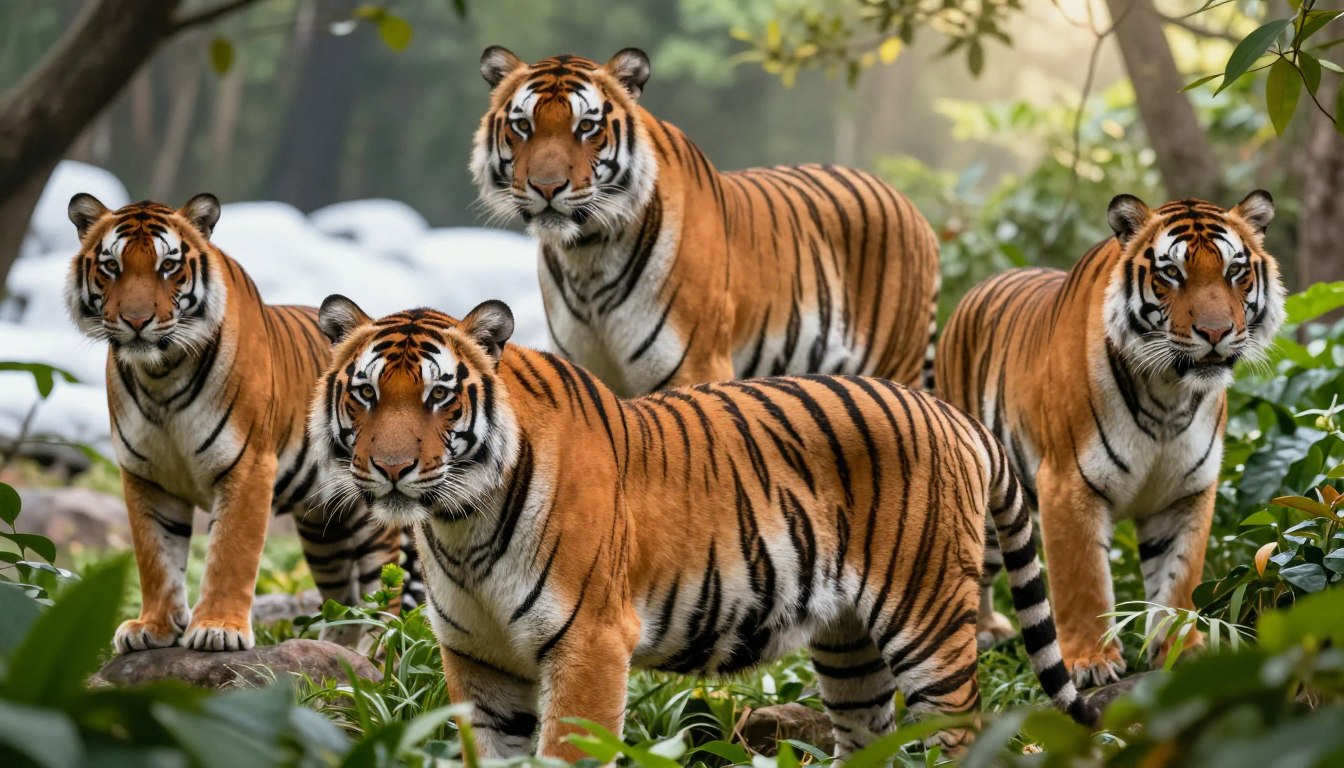
Tigers belong to one species, despite the many names used for their types. The names can point to living groups, vanished groups, or coat colors, so a count of ten does not mean ten species. You are looking at one species, Panthera tigris, with several kinds of populations and one color variant.
Table of Contents
ToggleDifferent lists can count living subspecies, historic subspecies, or color variants. That choice changes the number you see and what each name means. Range, size, coat, and conservation status also help explain why one tiger may look different from another.
This overview gives you a clear way to read those labels. First, it explains why tiger lists use different counts and names.
Key Takeaways
- All tigers belong to one species.
- Traditional lists name six living and three extinct subspecies.
- Some broader lists group living tigers as continental tigers and Sunda tigers.
- A white tiger is a color variant, not a subspecies.
- Wild populations face threats such as habitat loss and poaching.
What Does Type of Tiger in the World Mean?
The tiger is one species, Panthera tigris, rather than a collection of separate tiger species. A subspecies is a distinct population within a species that has recognizable inherited differences and a geographic range. Traditional lists recognize nine tiger subspecies, six living and three extinct.
The word “type” can mean different things in a list. It may refer to a subspecies, a wider group, or a coat color. That is why you may see four, six, nine, or ten types named.
One tiger species, several subspecies
Each tiger subspecies has a scientific name and a range tied to a part of Asia. The Bengal tiger, for example, is often listed as Panthera tigris tigris. These names sort populations within the same tiger species.
Some newer classification work groups living tigers into two broad groups: continental tigers and Sunda tigers. Continental tigers live on mainland Asia. Sunda tigers come from the islands of Southeast Asia.
The groups do not mean there are two tiger species. They offer another way to describe how living tigers are related. A tiger profile from the IUCN SSC Cat Specialist Group covers both the traditional and broader classifications.
Taxonomy can change as researchers learn more about inherited traits. DNA research has also helped distinguish other wildcats, such as the Bolivian wildcat identified through genetic study. That finding concerns wildcats, not tiger subspecies.
Why tiger lists give different counts
A list of 6 types of tigers usually means the six traditionally recognized living subspecies. A list of 9 types of tigers includes those six and three extinct subspecies. The count depends on whether the list covers only living groups or includes history.
A search for 4 types of tigers may use a narrower set, or group some names together. It does not show that the tiger species has four separate species. Check what each list counts before comparing its names.
A count of ten may add the white tiger, a rare coat-color variant. White tigers do not form a separate subspecies. Their color comes from inherited traits within a tiger population.
With those labels clear, you can compare the living subspecies by their ranges, coats, and sizes.
Which Living Tiger Types Can You Still Find?
Six traditionally recognized tiger subspecies survive, but their wild ranges are not interchangeable. Some live on the Asian mainland, while the Sumatran tiger lives only on one island. The South China tiger has no confirmed wild population, even though zoos hold animals.
The Bengal tiger is the most numerous subspecies. Bengal tigers live in India, Bangladesh, Nepal, and Bhutan. Their range and status differ from those of other living groups.
Amur tigers, also known as Siberian tigers, live in the Russian Far East and northeastern China. They have paler orange fur and brown stripes. The Siberian tiger is the Largest type of tiger in the world.
Indochinese tigers range across parts of mainland Southeast Asia. Their fur is darker, and their stripes are narrower than those of Amur tigers. Male Indochinese tigers average about 9 feet long and 400 pounds.
Malayan tigers live in forests in southern Thailand and Peninsular Malaysia. Sumatran tigers live only on the Indonesian island of Sumatra. Their darkest coats have close, often doubled black stripes.
| Subspecies | Male length, head to tail | Male weight | Coat or stripe trait |
|---|---|---|---|
| Amur | About 10.5 feet | About 660 pounds | Paler orange fur, brown stripes |
| Indochinese | About 9 feet | About 400 pounds | Darker fur, narrower stripes |
| Sumatran | About 8 feet | About 260 pounds | Darkest fur, close, often doubled stripes |
These figures show why size alone cannot identify every tiger. The largest type of tiger in the world is the Amur, but coat and range offer other clues. A tiger’s weight and length can also vary between individuals.
South China tigers are listed as Critically Endangered and considered functionally extinct in the wild. That term means no breeding population remains in its natural range. Zoo-held animals do not count as a wild population.
Bengal and Amur tigers are listed as Endangered. Sumatran, Malayan, and Indochinese tigers are listed as Critically Endangered. These labels reflect serious risks to each population.
Wild tiger populations face four main pressures:
- Habitat loss as forests and other wild areas shrink or break apart.
- Poaching and illegal trade in tiger parts.
- Loss of prey that tigers need for food.
- Conflict with people near tiger habitat.
The six living types show what remains today. Three other traditionally recognized subspecies have disappeared.
Which Tiger Subspecies Are Extinct?
Three traditionally recognized tiger subspecies are extinct: the Bali tiger, Javan tiger, and Caspian tiger. The first two lived on Indonesian islands; the Caspian tiger ranged across parts of Central Asia. Hunting, habitat loss, and declines in prey helped drive all three to extinction.
Bali tiger
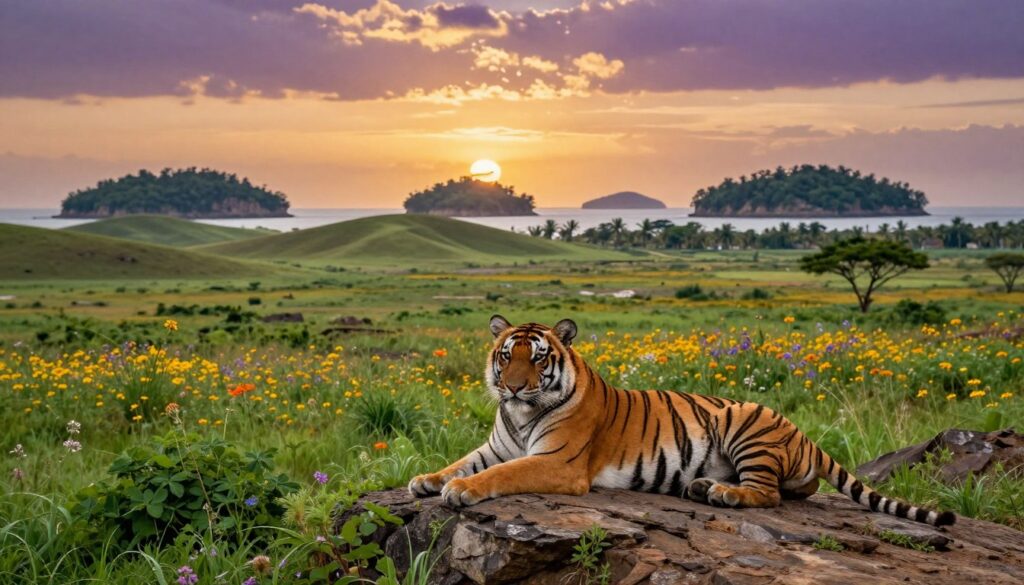
The Bali tiger lived only on the Indonesian island of Bali. It was the smallest of the three extinct island and regional types. The last positive record came from western Bali in the late 1930s.
The Bali tiger became extinct in the 1940s. Hunting reduced its numbers, while people changed or cleared parts of its island home. As prey declined, the remaining tigers had fewer places to find food.
Javan tiger
The Javan tiger lived on Java, another Indonesian island. Its scientific name is Panthera tigris sondaica. The name marks it as an island subspecies, not a separate tiger species.
Reports say the Javan tiger disappeared from much of Java by the 1940s. Its last positive record came from Meru Betiri National Park in 1976. Hunting, habitat loss, and a shrinking prey base contributed to its extinction.
The difference between a Javan tiger and a Bengal tiger is clear: the Javan tiger was an extinct island subspecies from Java. Bengal tigers still live across parts of South Asia. The names point to different ranges and different survival status.
Caspian tiger
The Caspian tiger lived around the Caspian Sea and across parts of Central Asia. Unlike the Bali and Javan tigers, it was not limited to an island. Its range covered a broad region.
The Caspian tiger became extinct in the 1970s. Hunting and habitat loss reduced its range, while declines in prey made survival harder. These losses show how pressure on a large region can erase a tiger population.
Past losses make coat clues and habitat protection matter for tigers that remain.
How Can You Tell Tiger Types Apart and Help Protect Them?
A pale, thick-coated Amur tiger contrasts with a dark, close-striped Sumatran tiger. Range, coat shade, and stripe spacing can help you compare them. Appearance alone cannot confirm a tiger’s subspecies.
Pictures of types of tigers in the world can help you compare coat patterns, especially when captions name each group. Still, a picture cannot prove a tiger’s taxonomy by itself. Lighting, age, and individual variation can change how fur looks.
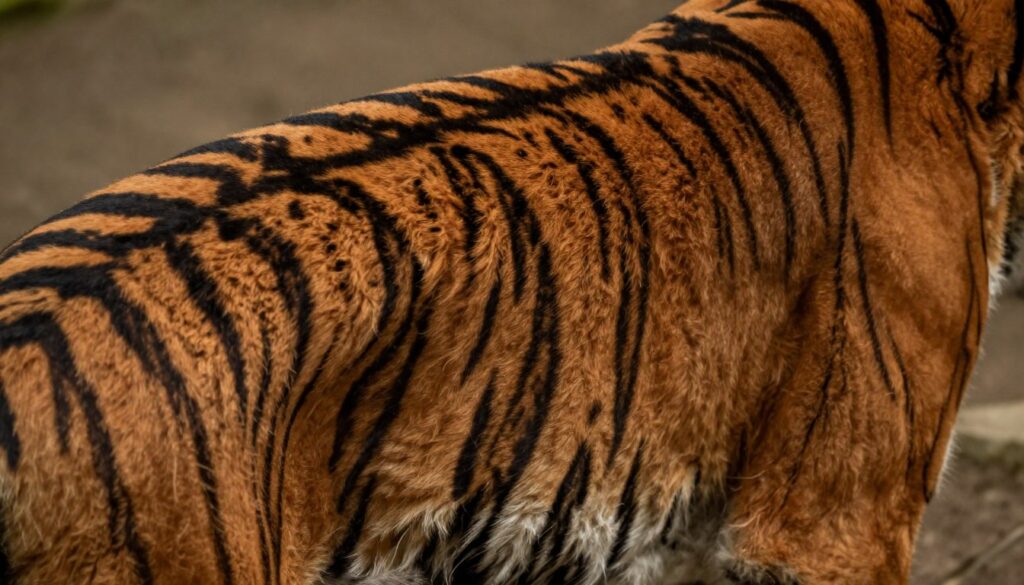
Different types of tigers and their differences can be easier to spot when you know the range as well as the coat. A tiger seen on Sumatra fits a different subspecies than one from mainland Asia. Place matters as much as appearance.
A White Tiger is a rare color variant caused by a recessive gene. It is not a separate subspecies, and white tigers are rarely found in the wild. Captive white tigers do not represent a separate wild population.
Some interesting facts about tigers include that they are carnivores, females are called tigresses, and each tiger has distinctive individual stripes.
You can take practical steps that support wild populations:
- Support habitat protection in areas where tigers live.
- Choose products made with responsibly sourced palm oil.
- Avoid tiger petting facilities that let visitors touch captive tigers.
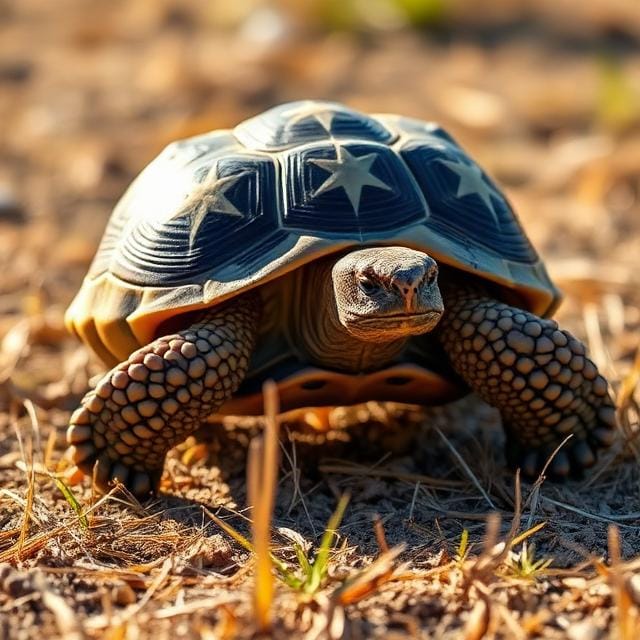
Habitat protection can also help other wildlife facing habitat loss and illegal trade. Read about threats and legal protection for Indian star tortoises to see how these issues affect another species.
Protecting wild habitat is a practical way to help save tigers and other wildlife.
Conclusion
The names describe varied tiger populations, not ten separate species. Different types are marked by inherited traits and geographic range, while some named types no longer survive in the wild.
You can help by supporting habitat protection, which gives wild tigers room to find food and raise cubs. Choose one credible tiger habitat conservation effort and support its work.
FAQ
Which tiger is the biggest?
The Amur, or Siberian, tiger is the largest tiger subspecies. Male Amur tigers can reach about 10.5 feet from head to tail and weigh about 660 pounds. These are upper figures, not the size of every male. The subspecies lives in the Russian Far East and northeastern China.
What are the differences between a Javan tiger and a Bengal tiger?
The Javan tiger was an extinct subspecies from Java, while the Bengal tiger is a living subspecies from South Asia. Java is an Indonesian island, and Bengal tigers range across India, Bangladesh, Nepal, and Bhutan. The Javan tiger’s last positive record came from Meru Betiri National Park in 1976.
Is a tiger a carnivore or an herbivore?
A tiger is a carnivore, so it eats animal prey rather than plants as its main food. Tigers hunt prey and may also eat animals they find dead. Their large bodies need meat, and their teeth and claws help them catch and hold prey.
What are female tigers called?
An adult female tiger is called a tigress. The word helps distinguish a female from a male when describing behavior, breeding, or family groups. A young tiger is a cub, regardless of sex. Tigresses raise their cubs and teach them how to hunt.
What is tiger’s worst enemy?
People pose the greatest threat to tigers. Hunting and illegal trade can kill them, while habitat loss and shrinking prey reduce their chances of survival. Conflict can also arise when tigers and people share land. Protecting habitat and stopping poaching can reduce these risks.
What animal kills a tiger?
Adult tigers have few natural predators, but large animals such as bears can sometimes kill them. Cubs face more threats because they are smaller and depend on their mother for protection. People also kill tigers through hunting and conflict, making human actions a major danger.
Would it hurt if a tiger licked you?
Yes, a tiger’s rough tongue can scrape and abrade human skin. A lick is not safe contact, even if the tiger seems calm. Tigers are powerful wild animals, and close contact can lead to serious injury. Never approach or touch one.
Is there a dog that can defeat a tiger?
No dog breed is a match for a healthy adult tiger. Tigers are much larger, stronger wild predators with powerful jaws and claws. Animal fights are dangerous and should never be treated as a contest. Keep dogs and other pets away from tigers.