Introduction: Seal and Sea Lion Exhibit Guide
Seal and sea lion exhibits stand out in aquatic centers everywhere. Watch them up close – creatures known for their smarts plus lively antics fill the viewing areas with energy.
Gliding through water like dancers, seals grab attention fast. Sea lions toss in playful antics that keep kids staring wide-eyed. Yet shows aren’t just about laughs – learning slips in quietly behind the splash. Scientists watch too, gathering clues from every flipper stroke. Each display feeds bigger goals: knowledge grows, species gain protection, and studies move forward. Curious about animal actions in various settings? Try reading “Are Our Pampered Pets Truly Living Their Best Life?” It digs into how habitat shapes what creatures do. A change of scene might say more than we think.
Do seals and sea lions exhibit features of marine mammals in shared habitat?
Inside glass walls, water splashes where seals twist beneath the surface. Light filters down as it does in wild coves. Animals move freely through spaces built to feel like rocky shores. People watch close by, separated but near. Clear barriers keep everyone safe without blocking the view. Salt air lingers even though the ocean is miles away.
Key Features:
- Large water pools
- Rocky platforms for resting
- Controlled feeding areas
Educational displays focusing on care while drawing people in – that’s what these displays try to do. Animal well-being sits alongside visitor interest, each shaping the other. Not just shows, they become spaces where concern meets curiosity. The goal? Keep the balance of both requirements, without swaying too much to one side.
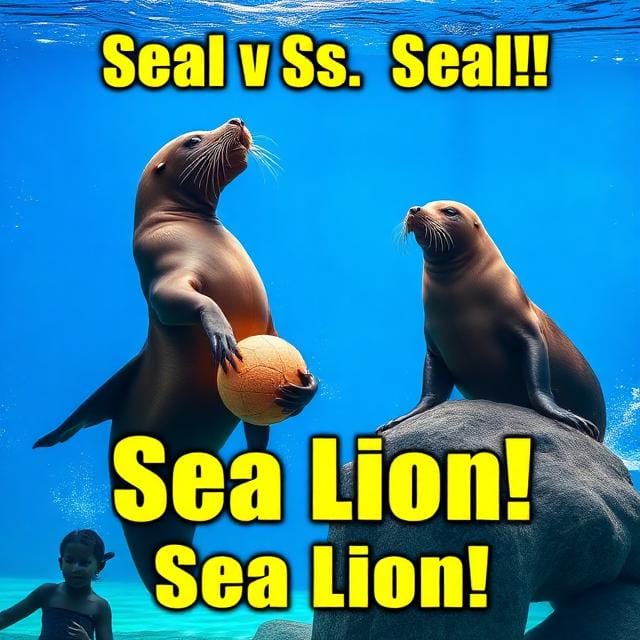
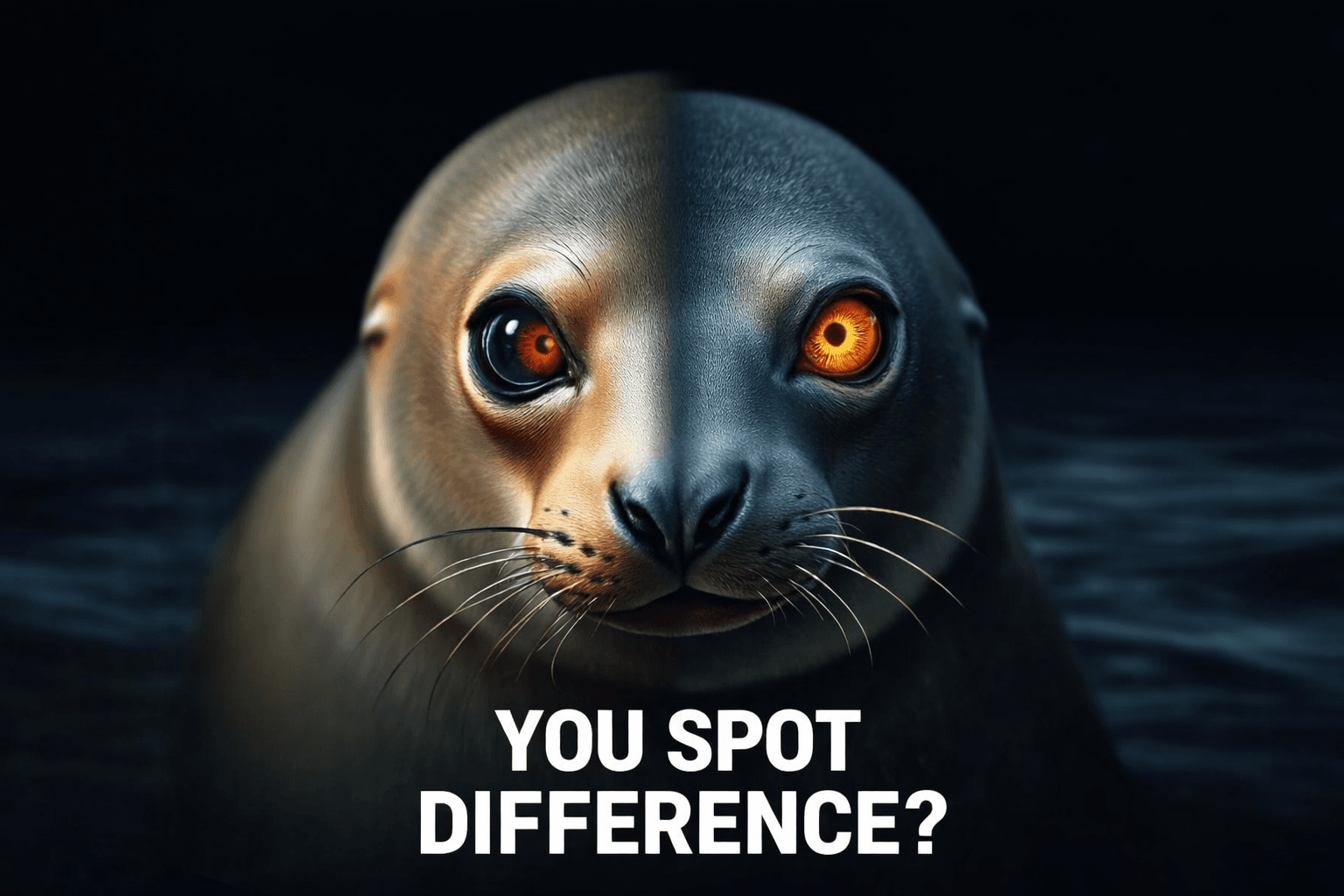
Seal or Sea Lion: How Can You Tell?
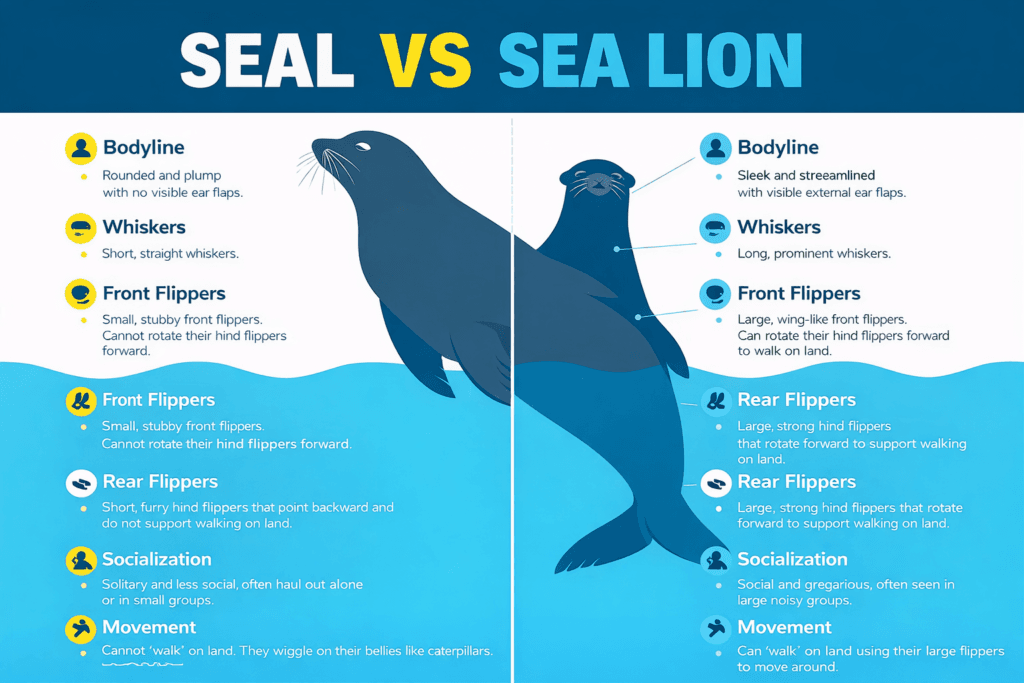
However, for all their similarities when seen in the wild, the sea lion and seal are poles apart.
Physical Differences:
| Feature | Seals | Sea Lions |
| Ears | No visible ear flaps | Visible ear flaps |
| Movement | Crawl on land | Walk using flippers |
| Body | Smaller, rounder | Larger, more flexible |
Behavioral Differences:
- Seals are quieter and more solitary
- Sea lions are social and vocal
Understanding these differences enhances your experience at any exhibit.
7 Amazing Facts About Seal and Sea Lion Exhibits
1. Created to Resemble Natural Environments
Modern exhibits recreate ocean environments with:
- Saltwater systems
- Rocks and ledges
- Temperature control
Fresh air keeps creatures moving, while strong bodies come from daily motion.
2. Animals Think In Complex Ways
Both seals and sea lions can:
- Learn commands
- Recognize trainers
- Solve problems
Bright minds shine when showing how things work in classrooms.
3. Exhibits Support Conservation
Working together, certain regions team up with groups like the World Wildlife Fund to give ocean animals a better chance. Stillwater meets conservationists where protection matters most.
Conservation and unity efforts included:
• Rescue and rehabilitation
• Public education
• Research programs
4. Feeding Times Teach
Folks usually find themselves caught up in the feeding times.
These sessions teach:
- Diet and nutrition
- Natural hunting behaviors
- Human impact on oceans
5. Sea Lions Are Natural Performers
Sea lions are known for:
- Balancing objects
- Responding to commands
- Engaging with Audiences
While they wrestle and strike the cage, it’s they who are the unintentional show stealers.
6. Seals Thrive Better in Water
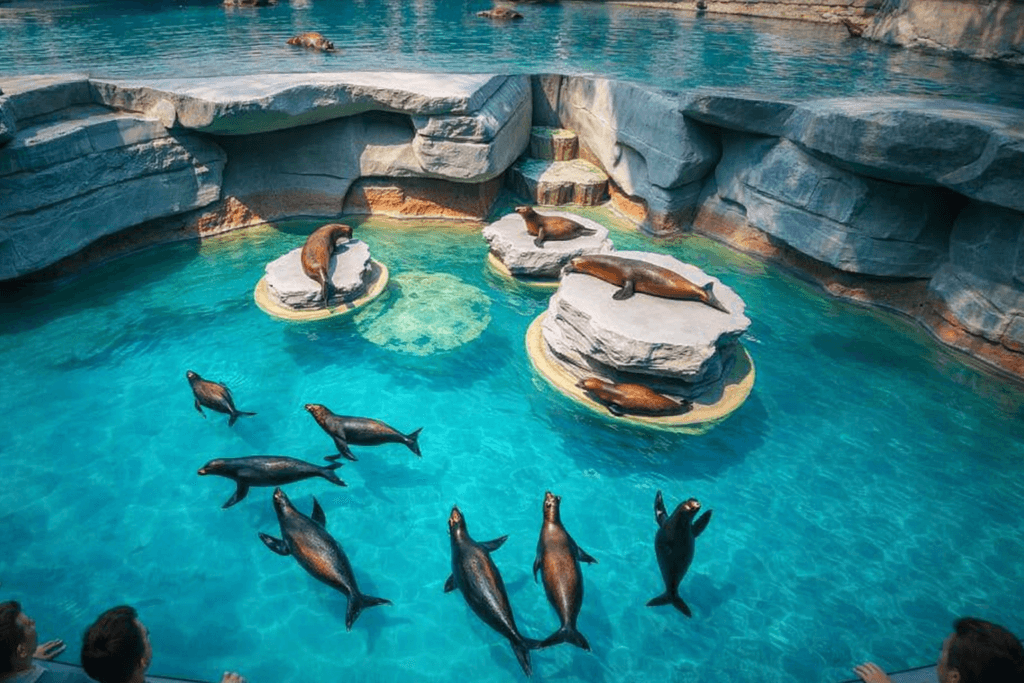
Seals are:
- Faster swimmers
- More streamlined
- Slower when moving across solid ground
Water is where they stay for nearly every hour.
7. Exhibits Promote Awareness
Seal and sea lion exhibits help visitors understand:
- Des océans pollués
- Changement climatique
- Protection de la faune.
This awareness encourages responsible behavior.
Seal and Sea Lion Exhibit Locations?
Folks recognize a lot of big aquariums and zoos, too – they often show these displays.
Examples Include:
- SeaWorld Orlando park codes, tickets, and prices
- Cooking Class At The Monterey Bay Aquarium
San Diego Zoo instead. Out here, saltwater adventures hit a whole different level
How animals are treated in shows and displays
Keeping animals safe matters most in today’s zoo displays.
Best Practices:
- Spacious enclosures
- Regular health checks
Enrichment activities. Folks running places need to stick to clear rules so everyone gets treated right.
Debates over Right and Wrong
Though plenty of displays push preservation, a few skeptics say:
- Animals should live in the wild
- Captivity limits natural behavior
Is it so weasel-like to claim that this argument is about wild animals, as in the story of Billy the Elephant: What Really Happened in That Zoo Dispute?
Tips for visiting a Seal and Sea Lion Exhibit
1. Attend Feeding Times
Most of what sticks comes from doing things together. Sessions where you move and respond teach better than sitting quietly.
2. Follow Guidelines
Far from silent, every creature holds its ground when left alone. Stillness matters more than motion near wild things.
3. Read Educational Displays
What stands out is how much they reveal. Insights come through clearly when you pay attention.
4. Support Conservation
Give to groups that defend ocean creatures. Help those who work to keep sea animals safe.
Why Seal and Sea Lion Exhibits Matter
These exhibits are more than entertainment – they are educational tools that:
- Inspire curiosity
- Promote conservation
Connect people with marine life. Out there, voices start shifting how people see things. One step at a time, attention moves in new directions.
Internal Linking
- Are Our Spoiled Pets Actually Happy?
- Billy the Elephant and the Zoo Dispute:
- Deadliest animals by annual human deaths
External Link
Conclusion
The Seal and Sea Lion Exhibit’s Up Close Encounters allow people to get a close view of these animals of the sea, see how they work, and learn about what is being done to save them.
It is moments like these, with things like these, that your actions matter.
Supporting good behavior yields benefits over time. When people make smart decisions, protection increases. Small decisions today give these amazing creatures a chance. Their future depends on what happens now.
FAQs
1. What is a seal and sea lion exhibit?
Inside, water splashes against rocks where these animals rest between swims. A carefully built space holds them, letting people watch up close how they move and behave. Glass walls separate viewers from wet fur and deep dives. Temperature stays steady, so their world feels natural. Bright lights mimic the sun above the ocean waves. This place balances safety with open-air freedom. Every detail supports how seals live when wild.
2. Not quite alike, these ocean mammals differ more than they seem at first glance.
Folks might think they’re alike, yet their looks set them apart. Behavior-wise, one moves quietly while the other acts boldly.
3. Could displays help creatures inside glass walls? Might cages teach us something worth their cost?
A zoo that runs well puts animals first, caring for them while helping protect their wild relatives.
4. Locations of Exhibits?
Across big animal parks and ocean exhibits on every continent.
5. Why are these exhibits important?
People learn because of their work, while nature gains protection through shared effort.