
Introduction
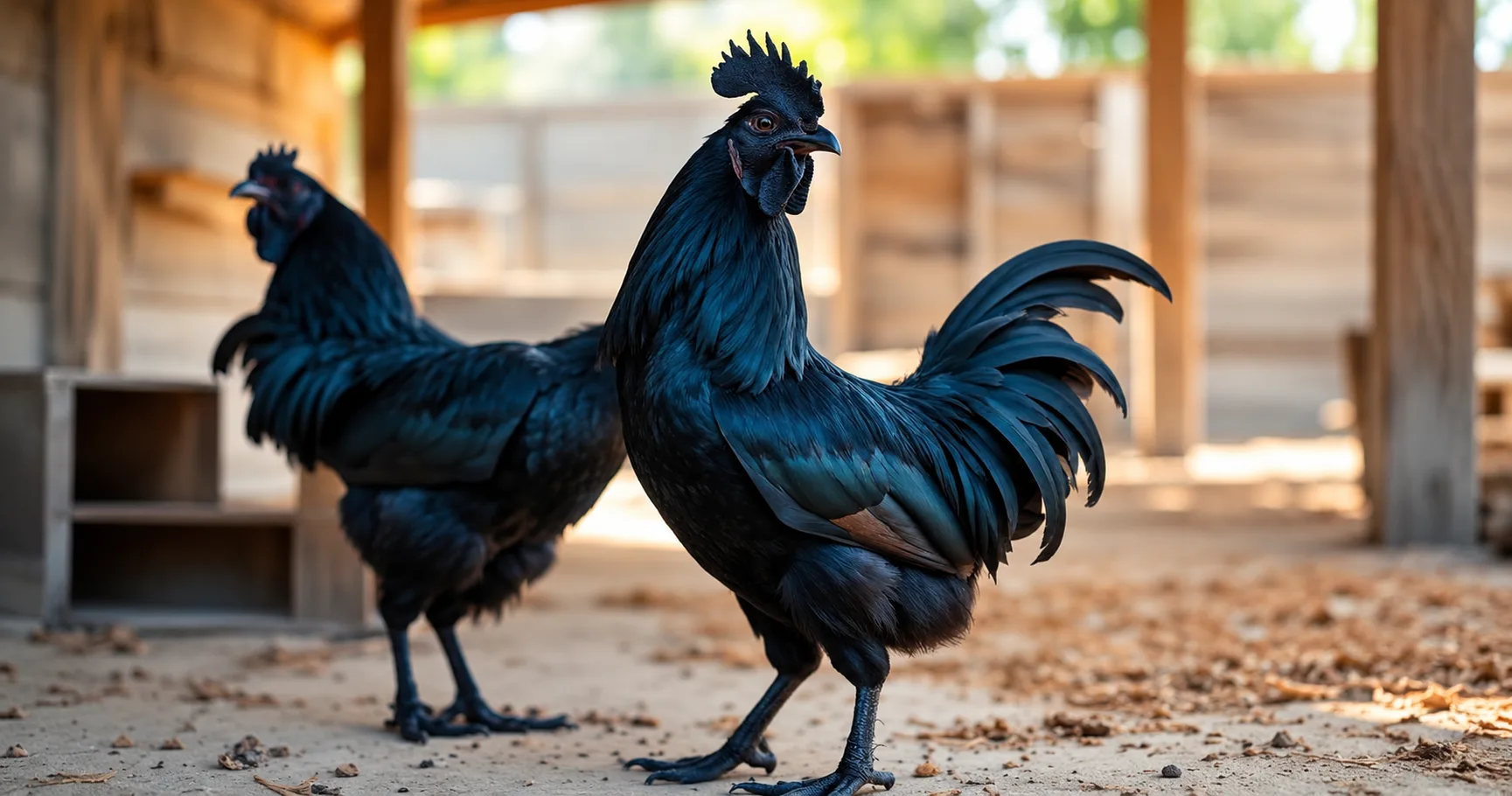
Ayam Cemani for Sale Out there, demand climbs fast – not just breeders but folks tending small yards want a look at something truly different. Jet-black from crown to claw, this chicken stands apart – its insides tinted too, as nature dipped it in ink. Rare? Yes. But what draws people’s eye isn’t just rarity alone — it’s that strong, rich color staring back at you from somewhere you’d really never expect to see it. Eyes lock onto it: feather, beak, wattle – all shadow-toned. Even the bones carry that hue beneath. Not many birds pull that off.
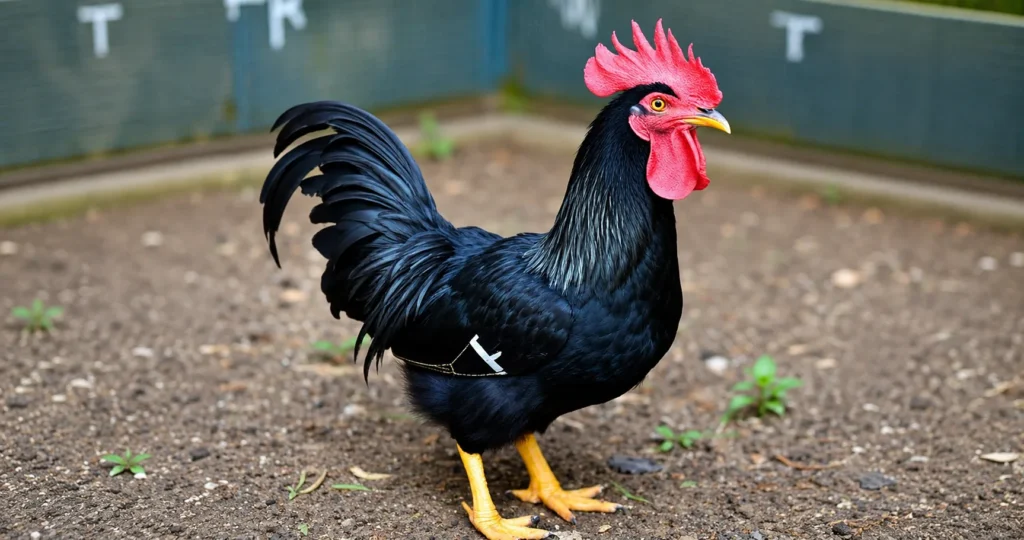
From Indonesia comes a chicken unlike any other, wrapped in tradition yet sought after in markets worldwide. Not rare by accident, this bird – called Ayam Cemani – fetches more money than common breeds, drawing interest from those who raise fowl. Some see it as high-end livestock, not just because of how few exist, but also thanks to what buyers are willing to pay.
Chickens like Ayam Cemani are getting more attention across countries. Yet spotting them on a website isn’t the whole story. Knowing how traits are passed down matters just as much as picking someone trustworthy to buy from. Daily needs come into play – space, food, and routine checks. The price depends on the age, the lineage, and the region. Regulations differ between regions; some require permits and ban certain breeds or types.
When you look into the future, thinking about space years out and not just today. This complete walkthrough covers all you need on acquiring Ayam Cemani birds – what they cost, their features, wellness care, raising young, coop needs, laying habits, plus guidance from experienced buyers.
1. What Is Ayam Cemani?
With its black skin, black feathers, it black internal organs, but from Indonesia, the Ayam Cemani qualifies as a rare breed of domestic poultry. It is uncommon, but it is deeply ingrained in the local agricultural routine.
Known especially for:
- Black feathers
- Black skin
- Dark comb and wattles
- Dark legs and beak
What makes it look so different is a rare gene trait known as fibromelanosis.
2. History and origins of Indonesia

From Indonesia comes a chicken born on the island of Java. People there valued Ayam Cemani birds because of old beliefs tied to their looks. Their deep black color played a role in why families kept them close. Tradition held that such chickens brought balance at home. Over time, respect grew around these animals for the quiet strength they seemed to carry
- Ceremonial use
- Cultural symbolism
- Traditional beliefs
- Selective breeding
3. Why Ayam Cemani Is Famous
Few chickens attract attention like Ayam Cemani.
Reasons include:
- Rare genetics
- Luxury poultry reputation
- Social media popularity
- Collector demand
4. The Fibromelanosis Gene Explained
Ayam Cemani carries:
- Hyperpigmentation genetics
This condition affects pigmentation throughout the body.
Even internal organs may appear darker than those of regular chickens.
5. Physical Characteristics
Typical Features:
- Glossy black plumage
- Upright posture
- Medium size
- Muscular body
Born from deep color stability, real purity shows in even tones. A solid line of hue runs through each generation.
6. Temperament and Personality
The Ayam Cemani Breed Is 6-Times Healthier.
The Ayam Cemani birds are normally:
- Alert
- Intelligent
- Active
- Somewhat cautious
Most thrive when someone pays close attention. Care that listens makes a difference.
7. Ayam Cemani for Sale Market Overview
The Ayam Cemani for sale market varies by country and breeder availability.
Birds are often sold as:
- Hatching eggs
- Chicks
- Juveniles
- Breeding pairs
Demand frequently exceeds supply.
8. How Much Does Ayam Cemani Cost?
Pricing varies widely.
Approximate ranges:
| Type | Estimated Price |
| Hatching Eggs | Moderate |
| Chicks | Higher |
| Breeding Adults | Premium |
Show-quality birds may cost significantly more.
9. Buying Chicks vs Adult Birds
Each option has advantages.
Chicks
Pros:
- Lower cost
- Easier bonding
Cons:
- Growth uncertainty
Adults
Pros:
- Visible quality
- Immediate breeding potential
Cons:
- Higher price
10. Finding Trusted Breeders
Breeder reputation matters.
Look for:
- Clear photos
- Health records
- Breed documentation
Positive reviews
11. Avoiding Fraud and Fake Listings
Rare breeds attract scams.
Warning signs include:
- Unrealistically low prices
- Poor communication
- No breeder history
Stolen photos
12. Online Buying Tips
Before purchasing:
- Verify breeder identity
- Request recent photos
- Confirm shipping details
13. Shipping and Transportation
Safe transport requires:
- Ventilation
- Temperature control
- Proper containers
Stress management protects bird health.
14. Residential Conditions
Ayam Cemani chickens require:
- Dry coop conditions
- Predator protection
- Clean bedding
- Ventilation
15. Feeding and nutritional considerations.
The above information works well with the Bodies In Harmony product and the shapes and textures of food.
Balance of Nutrition:
- Protein
- Grains
- Minerals
- Fresh water
16. Egg Production and Fertility
Ayam Cemani hens produce:
- Cream-colored eggs
- Moderate egg quantities
They are not prolific commercial layers.
17. Breeding Ayam Cemani
Selective breeding helps preserve:
- Pigmentation
- Genetics
- Breed standards
18. Common Health Issues
Possible concerns include:
- Parasites
- Respiratory disease
- Nutritional imbalance
Routine monitoring matters.
19. Climate and Environmental Needs
These chickens prefer:
- Moderate climates
- Dry housing
Extreme cold requires extra protection.
20. Backyard Farming Suitability
Ayam Cemani can suit backyard flocks.
However:
- Secure housing
- Predator control
- Responsible care
Are essential.
21. Ayam Cemani Roosters vs Hens
| Trait | Rooster | Hen |
| Size | Larger | Smaller |
| Vocalization | Louder | Quieter |
| Breeding Role | Fertility | Egg laying |
22. The Cultural and Symbolic Importance of the Rooster
In Indonesia, the Ayam Cemani has historical significance relating to:
- Tradition
- Belief systems
- Culture
23. Rare Chicken Breed Comparisons
Compared with other breeds:
- Silkies
- Polish chickens
- Orpingtons
Ayam Cemani remains uniquely pigmented.
24. The law and Ethics
Responsible ownership should cover the following:
- Legal compliance
- Humane care
- Ethical breeding
25. Myths About Ayam Cemani
Myth: Their eggs are black
Fact: Eggs are cream-colored.
Myth: They are supernatural birds.
Fact: Their appearance comes from genetics.
26. Interesting Facts about the Romans.
Fun Facts:
- Known as the “Lamborghini of poultry.”
- Nearly fully black pigmentation
- Extremely photogenic breed
Internal Linking
- Rare animal breed guides
- Backyard farming content
- Poultry care articles
- Exotic livestock guides
External Resources
Conclusion
Black chickens aren’t just turning heads – people are buying them faster now. Yet wanting one isn’t enough when keeping it healthy matters most. Start smart by checking how breeders treat their birds. A good home means looking past price tags toward wellness and bloodlines. Think ahead about daily needs, not just first impressions. When set up right, these rare chickens fit well into thoughtful coops. Their unique look grows on you slowly, quietly becoming part of backyard life.
FAQs
Q1. Ayam Cemani cost factors?
What makes it valuable lies in how uncommon it is, tied closely to its genetic makeup.
Q2. Ayam Cemani Eggs Not Black?
Actually, eggs come in shades of cream. Not white, but a soft off-white tone shows up instead.
Q3. Ayam Cemani Living With Other Chickens?
True – given some thought beforehand.
Q4. Ayam Cemani for Beginners?
Some experience with poultry helps.
Q5. Where can I buy Ayam Cemani?
Reliable poultry-only focused farms and dependable breeders are the best bet.