Introdution
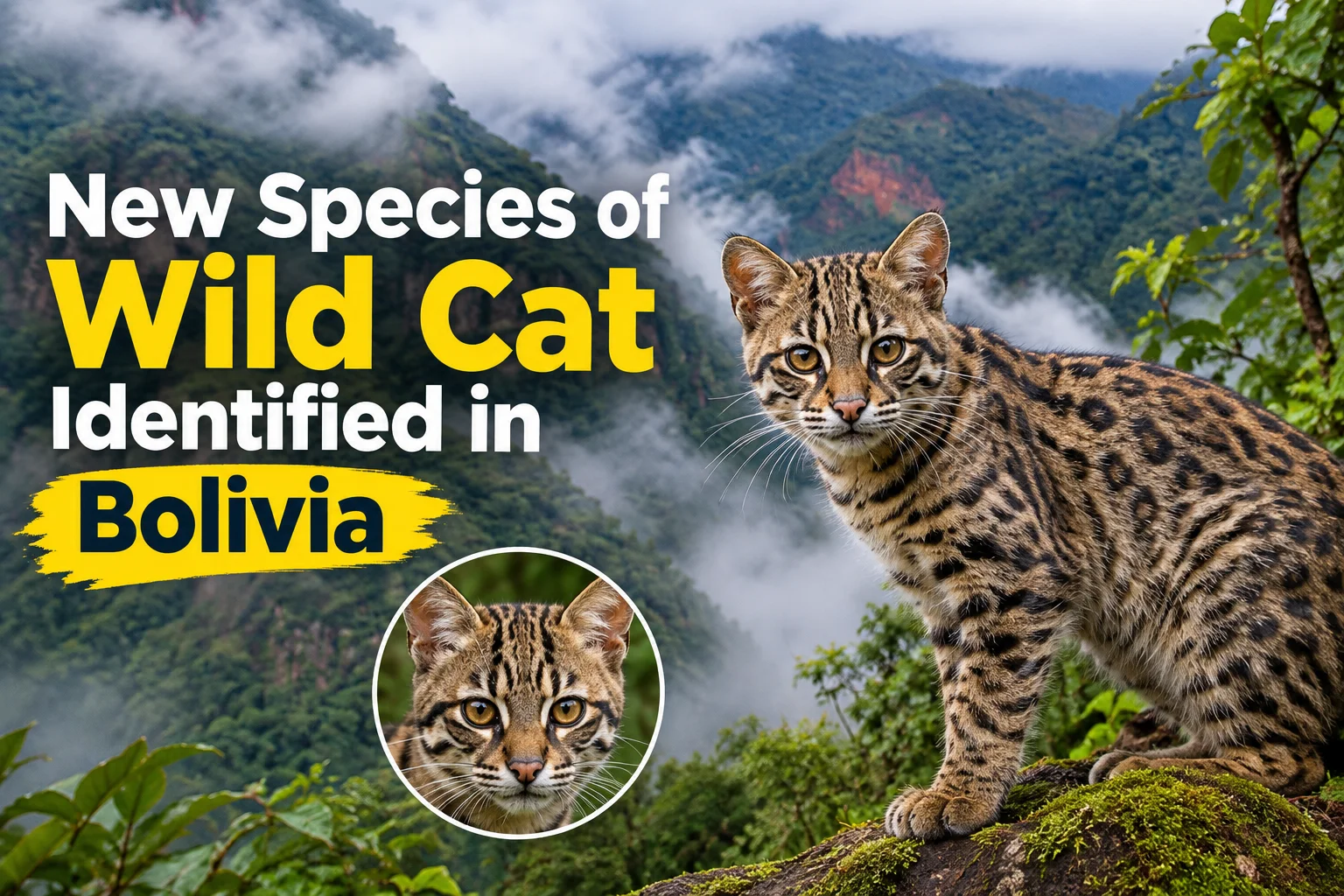
The discovery of a new species of wild cat identified in Bolivia has turned into one of the most thrilling wildlife stories of 2026. Scientists have recognized a newly discovered species of small spotted cats that somehow managed to live in Bolivia’s cloud forests as a distinct species: Leopardus tilcayo. The discovery of the new wild cat species is considered to be significant because it is the first time a new member of this category has been formally recognized and described in over a century — an unprecedented find in present-day mammalogy and wildlife conservation.
Compared to the traditional and expected discovery of a previously unknown wildcat species in a remote jungle, this little wildcat is actually smaller in size than a lot of domestic cats. But the fact that the scientific community had to revise the taxonomy and dedicate resources to the study of South America’s tiger cats is a sign of the magnitude of this finding.
For a more comprehensive understanding of the article, I will go over all the details of the article, starting with the discovery and moving on to the animal’s habitat, physical description, significance, and conservation efforts.
A Historic Wildlife Discovery
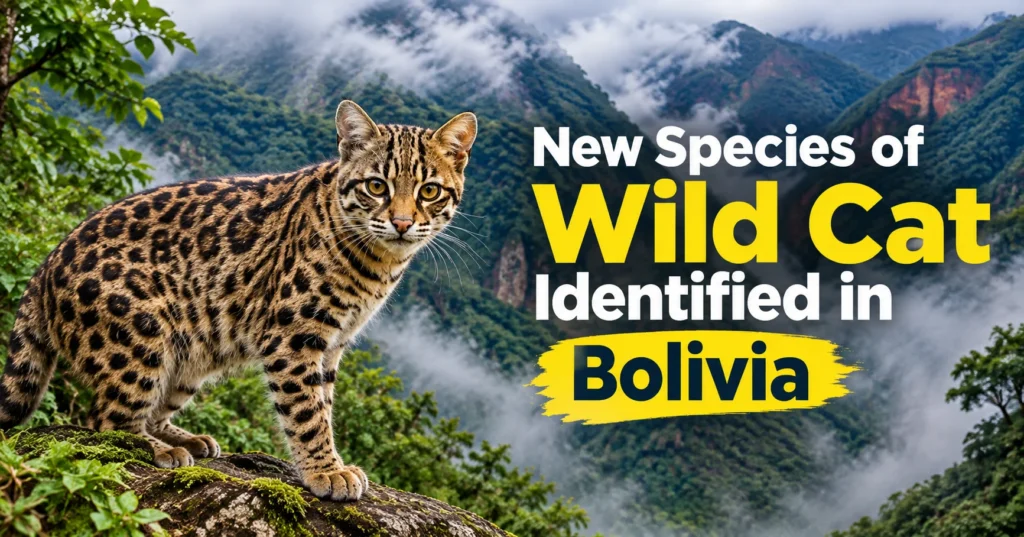
For decades, scientists believed that several small spotted cats that live across South America belonged to only a handful of species. But new DNA sequencing revealed a far more diverse group of animals than previously thought.
In September 2026, an international team of scientists announced the discovery that the Bolivian population is an entirely separate species called Leopardus tilcayo. The study was published in the scientific journal Current Biology after investigating genetic samples from wild cats that were taken across several South American countries.
Why is this important
- Because it is the first newly described living wild cat species discovered within almost a century
- It is endemic to the Yungas cloud forest in Bolivia
- The species is genetically different from other tiger cats
- And it emphasizes the importance of protecting endangered mountain forests
This discovery shows us that even in widely known animals such as cats, there are still species left to be discovered.
What Is Leopardus tilcayo?
The leopard tilcayo is one of the cat species belonging to the Leopardus genus. This genus comprises small wild cats distributed in Central and South America. The most closely related species to it are the oncilla, margay, Geoffroy’s cat, and ocelot. The name “tilcayo” refers to the local Indigenous and regional people’s name, which was given to the place inhabited by this feline. For this reason, it intends to valorize the relation of the local Bolivian Andean community within the investigative process regarding this species.
Scientific Classification
| Category | Classification |
| Kingdom | Animalia |
| Class | Mammalia |
| Order | Carnivora |
| Family | Felidae |
| Genus | Leopardus |
| Species | Leopardus tilcayo |
They estimate that the split between this lineage and its closest relatives occurred around 1.4 million years ago, and it is clearly distinct enough on an evolutionary scale to be considered a species in its own right.
Where Does This Wild Cat Live?
The Yungas cloud forests of Bolivia are the habitat of the elusive Tilcayo cat, a member of South America’s most diverse ecosystem.
The Yungas Ecosystem
Extending from the Andes Mountains up the eastern slopes, the Yungas is defined by:
- Dense cloud forests
- High humidity
- Heavy rainfall
- Rugged mountainous terrain
- Vast biodiversity
This area holds an amazing variety of thousands of species of plants, birds, amphibians, and mammals. Many of these species are native to this region. Thus, the isolation of mountain valleys has led to the development of unique ecosystems in isolated pools of habitats, such as the Tilcayo, leading to the growth of endemic species.
Physical Appearance
Although often called a tiger cat, Tilcayo is surprisingly small.
Body length
~46 cm (18 in)
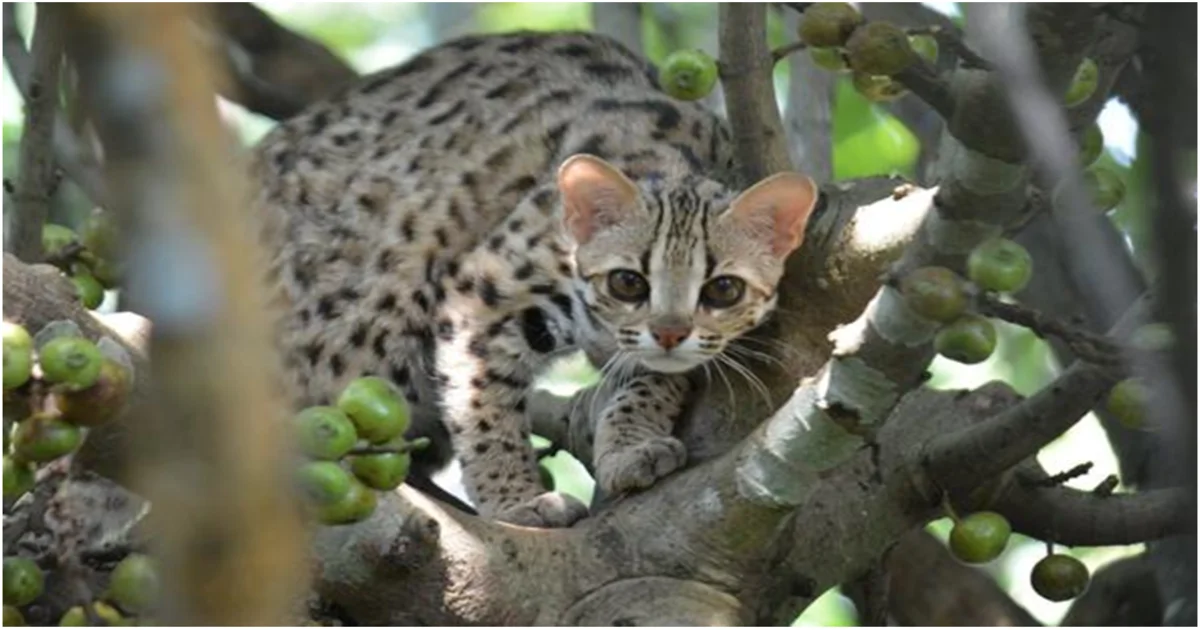
Weight
~1.4 kg (3 lb)
Coat color
Light brown with irregular dark rosettes
Tail
Long, slender, and spotted
Distinctive Features
Scientists noticed several traits that differed from Brazilian tiger cats:
- More rounded head
- Unique rosette pattern
- Compact body
- Different skull proportions
- Distinct genetic markers
These differences were subtle enough that morphology alone wasn’t sufficient; DNA evidence ultimately confirmed its identity.
How Scientists Discovered the New Species
The scientists did not find an unknown cat in the jungle. The discovery was made after months of study.
First, they found an unusual cat
The researchers started their work by examining a Bolivian tiger cat with an appearance unlike any other.
Next, they tested 38 different wildcats.
The scientists analyzed DNA from 38 different wild cats, including museum specimens and live cats that have been caught in South America.
They discovered that previously considered a single species was five different species of tiger cats.
The lineage of this cat was unique from the others.
Finally, a formal description was made.
Leopardus tilcayo was officially named the new species in 2026 after passing its tests.
Why DNA Changed Everything
Traditional wildlife classification relied heavily on appearance. However, many small cats look remarkably similar.
What Are Cryptic Species?
Cryptic species are animals that:
- Look nearly identical
- Behave similarly
- Live in related habitats
- But possess distinctly different DNA
Tiger cats are one of the best cases of cryptic evolution in mammals. It is a species that would never be recognized as existing without genetic sequencing.
Behavior and Diet
Much of Tilcayo’s natural history remains unknown because the species has only recently been identified.
Current evidence suggests it:
- Hunts small rodents
- May also eat birds and insects
- Is likely most active during nighttime
- Lives solitary like most small wild cats
Scientists compiled this evidence from analysis of scat and from camera traps, but aspects of reproduction, lifespan, and territory still need to be investigated.
Conservation Challenges
The excitement surrounding this discovery comes with an urgent warning: the species may already face significant threats.
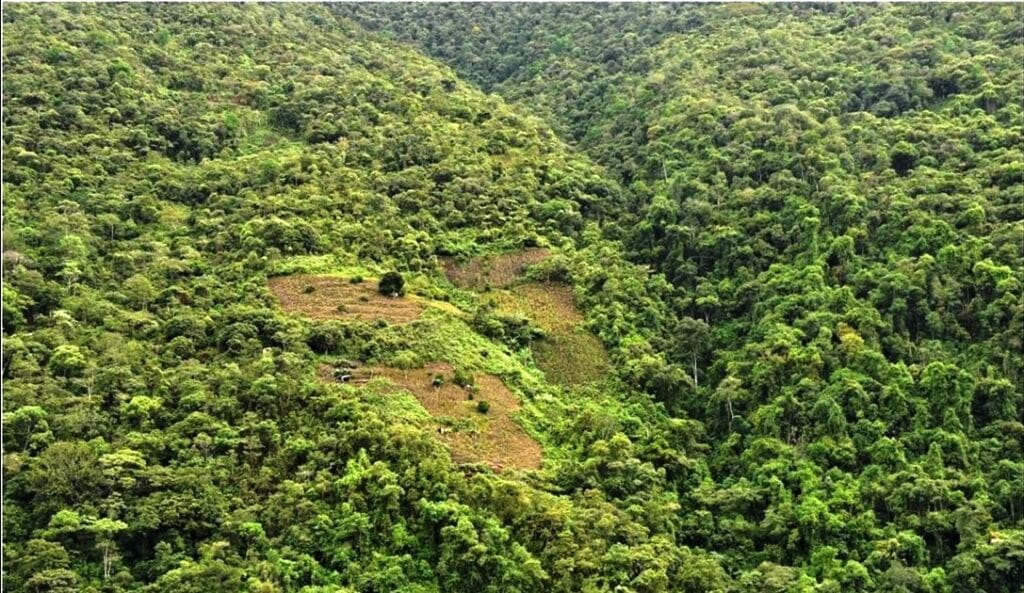
Major Threats
| Threat | Impact |
| Deforestation | Habitat loss |
| Agricultural expansion | Fragmented forests |
| Human-caused fires | Ecosystems destroyed |
| Mining | Environmental degradation |
| Habitat isolation | Reduced genetic diversity |
The Yungas ranks as one of Bolivia’s most endangered ecosystems. Scientists stress that the conservation of remaining forest corridors is critical for the survival in perpetuity of Tilcayo and myriad other endemics.
How Does Tilcayo Compare With Other Wild Cats?
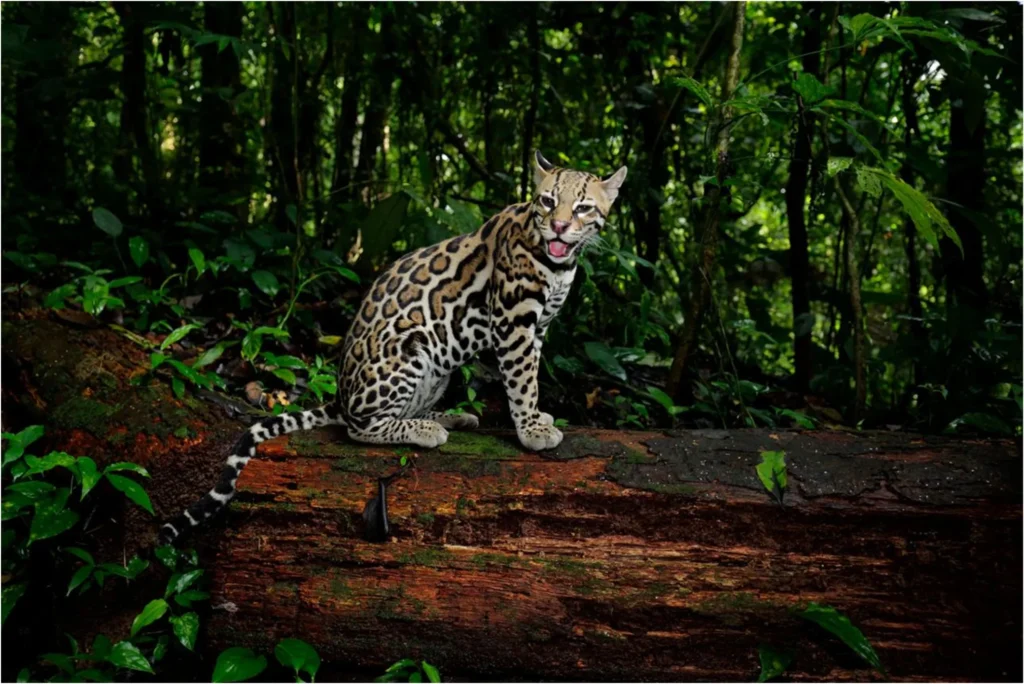
| Species | Average Weight | Habitat |
| Tilcayo (L. tilcayo) | 1.4 kg | Bolivian Yungas |
| Oncilla | 1.5–3 kg | Tropical forests |
| Margay | 2.5–4 kg | Rainforests |
| Geoffroy’s cat | 2–5 kg | Grasslands |
| Ocelot | 8–16 kg | Forests & wetlands |
Tilcayo is among the smallest wild cats in South America, but its evolutionary history is strictly Bolivian.
Why This Is Important On a Global Scale
The reason that this is significant is not just that we have found a new species of cat. It changes conservation priorities.
Global Significance
- Improves understanding of feline evolution
- Helps update IUCN conservation assessments
- Encourages protection of cloud forests
- Demonstrates the value of genetic research
- Shows that undiscovered biodiversity still exists
The scientists have already submitted their results to the IUCN to allow the species to have a separate conservation assessment and not be lumped with other tiger cats.
The Future of Leopardus tilcayo
There are still many uncertainties about the species:
- How many there are,
- What its breeding habits are,
- How much area the cats actually occupy,
- Whether they are an endangered species,
- And how they can be helped by the people around them.
Future studies using camera traps and genetic analysis, and habitat restoration will be important in order to make certain conclusions about the species. The discovery also underlines the importance of indigenous peoples and their knowledge for the study of lesser-known wildlife species.
Conclusion
The new species of wild cat discovered in Bolivia is one of the most astonishing zoological findings of this century. This leopard is not only beautiful and mysterious but valuable – the scientists’ DNA analysis of the cloud forest predator revealed an amazing fact: this animal has been living in isolation for over a million years.
Therefore, it is vital to take measures to ensure the Yungas forest’s survival and protect the local wildlife, including the newly discovered wild cat species.
Internal Link
- Turtle Dove vs Mourning Dove: Complete Bird Guide (2026)
- The Miraculous Eagle With a Broken Wing Returns
- Achalinus mirabilis: The Miraculous Odd-Scaled Snake
- Explorer Steve Backshall: Wildlife Conservation Journey
External Link
- IUCN Red List – Species conservation information
- Current Biology – Original scientific publication
- National Geographic – Wildlife and biodiversity research
FAQs
1. What is the newly discovered species of wild cat in Bolivia?
The new species is called Leopardus tilcayo. It is a wildcat species that belongs to Bolivia’s Yungas cloud forest. This wildcat species was identified recently in 2026 after it was genetically proven to be different from other tiger cats.
2. Why is the new species of wild cat so significant?
This new species of wildcat is the first new species that has been formally described from the country in more than a century. Furthermore, it is recognized as a discovery of the highest importance that has been made in a century.
3. Where can the new species of wild cat be found?
The new species of wild cat can only be found in Bolivia’s Yungas cloud forest. This place is located on the eastern slope of the Andes.
4. How big is the Tilcayo wild cat?
An adult Tilcayo of average size measures around 46 cm (18 in) from body to tail, and weighs around 1.4 kg (3 lbs), which is less than in the case of several house cats.
5. How could the Bolivian scientists tell that this was a new wild cat species?
Geneticists identified the new species of wild cat from the DNA of thirty-eight wild cats. The genetic analysis pointed towards five species of tiger cats, one of which was the Bolivian cat that was described earlier as Leopardus tilcayo.
6. Is the new species of wild cat endangered?
The IUCN receives the scientific documents regarding the new species to determine its conservation status. Moreover, even though researchers did not consider it endangered, they will argue for the species’ listing on the Red List because its habitat might result in a higher risk of extinction than previously assumed.