
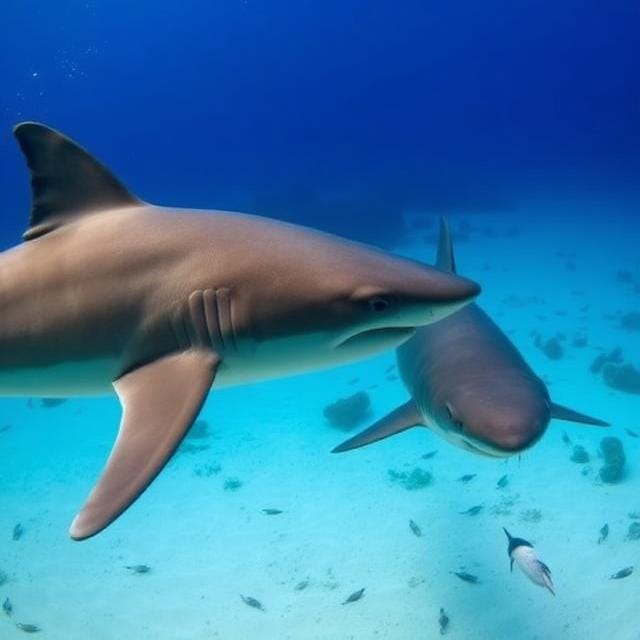
Introduction
Years went by before anyone questioned the old belief about sharks. Not exactly loners, it turns out – more like quiet travelers of deep water. Movies painted them fierce, always on their own, never joining others. Yet something shifted when researchers began watching more closely. Turns out, what we thought was cold isolation might actually be a subtle connection. Recent studies indicate that some sharks form social bonds with specific individuals, revealing a richer social structure than previously understood.
Surprisingly, a few kinds of sharks appear to stick close to particular peers, almost like pals. Far from lone hunters, they’re turning up clues about deeper connections underwater. These findings shift how experts see sea life beneath the waves. Instead of just reacting, some sharks seem tuned into who’s around them. Lately, that kind of behavior is reshaping long-held views in ocean science. Sharks aren’t always lone hunters – some studies show they form bonds. What science reveals about their connections may alter how we protect marine organisms. These patterns? They hint at deeper roles beneath the waves. One thing stands clear: behavior shapes survival. Insights into shark lives often reshape views on marine ecosystems.

Sharks Might Be More Social Than We Think?
Sharks were once regarded as solitary creatures. Dolphins, on the other hand, often travel in pods – something scientists long thought sharks never did. Now, fresh studies suggest those early ideas missed part of the picture.
Out in deeper waters, some kinds of sharks stick close to one another when food is plentiful. Not by accident – these animals form bonds that last, choosing familiar faces again and again.
Sharks might pick out familiar faces, staying close to some more than others. That kind of choice hints at real connections forming between them.
Sharks May Have Social Bonds
Now here comes a curious thing – sharks like reef and lemon sharks show habits that look oddly familiar. Not long ago, scientists began noticing these animals often travel alongside particular partners again and again, showcasing that some sharks form social bonds with specific individuals. Instead of drifting alone, they stick close to certain neighbors through coral lanes. Tracking gear helped spot this trend, along with eyes beneath the waves. What turned up was more than random meetings – it looked like preference, maybe even bonds forming over time.
A surprising look at lemon sharks came from researchers at the University of Florida. Far from drifting alone, these animals stick with certain others on purpose. Connections last over time, suggesting real bonds shape their circles.
Oddly enough, a study featured in National Geographic shows some sharks stick close to particular others – just as many land-based creatures do when forming bonds.
Research Key Findings
- Sharks recognize individual members of their species
- Some patterns keep appearing alongside particular shark species
- Social groups can remain stable over time
Behavior changes depending on group dynamics
Far from being just solitary hunters, some sharks appear to build bonds over time. What looks like random swimming might actually be quiet moments of connection. One study after another shows patterns hard to ignore. Not every interaction is about food or territory – some seem driven by preference. Seen up close, their behavior shifts in ways suggesting trust. Moments matter more than we thought.
Sharks Form Social Bonds?
Though sharks don’t bond as people do, they still interact for clear reasons. Their connections aren’t about feelings – more about survival needs. Sometimes alone, sometimes close, depending on what helps them thrive.
1. Improved Survival
Younger sharks often stay safer when they swim together. Safety comes from having more individuals nearby. Group swimming lowers the chance that something might get eaten.
2. Better Hunting Opportunities
Now and then, a shark might catch more prey by working alongside others. Not quite like dolphins moving in sync, yet being in a pack helps anyway.
3. Energy Efficiency
Floating near fellow sharks could cut down on the effort needed to swim, particularly when the water moves fast. Sometimes moving together makes it easier when the sea pushes hard.
4. Learning and Adaptation
From watching elders, young sharks pick up ways to act. Because of these lessons, their chances of staying alive get better little by little.
Shark Species That Form Groups?
Some sharks swim alone, yet others stick close in groups. While certain kinds keep apart, a few travel together by choice.
Common social shark species
- Lemon sharks
- Reef sharks
- Hammerhead sharks
- Sand tiger sharks
Floating together by daylight, hammerhead sharks form big groups – proof of how they stick close as a crowd.
Scientists Observe How Sharks Interact With Each Other
Out in open waters, watching sharks closely can be tough. Still, scientists rely on high-tech tools to learn how they act.
Methods Used:
- GPS and acoustic tracking
- Underwater cameras
- Behavioral observation
- Data analysis of movement patterns
Groups such as Oceana pitch in on studies that dig into ocean creatures – shark habits included. A few help track how these animals move through their underwater world.
Shark Friendships Reveal Clues About Their Intelligence
Bonding among sharks hints at smarter minds than folks once thought.
Fish with sharp teeth learn fast, even though their heads work differently from those of cats or dogs. Still, they figure things out just fine. A different setup inside doesn’t stop them from remembering where food hides. Some act on instinct, yet still adapt when surroundings shift. Not built the same, true – but not slow either. Experience shapes how they move through water each day
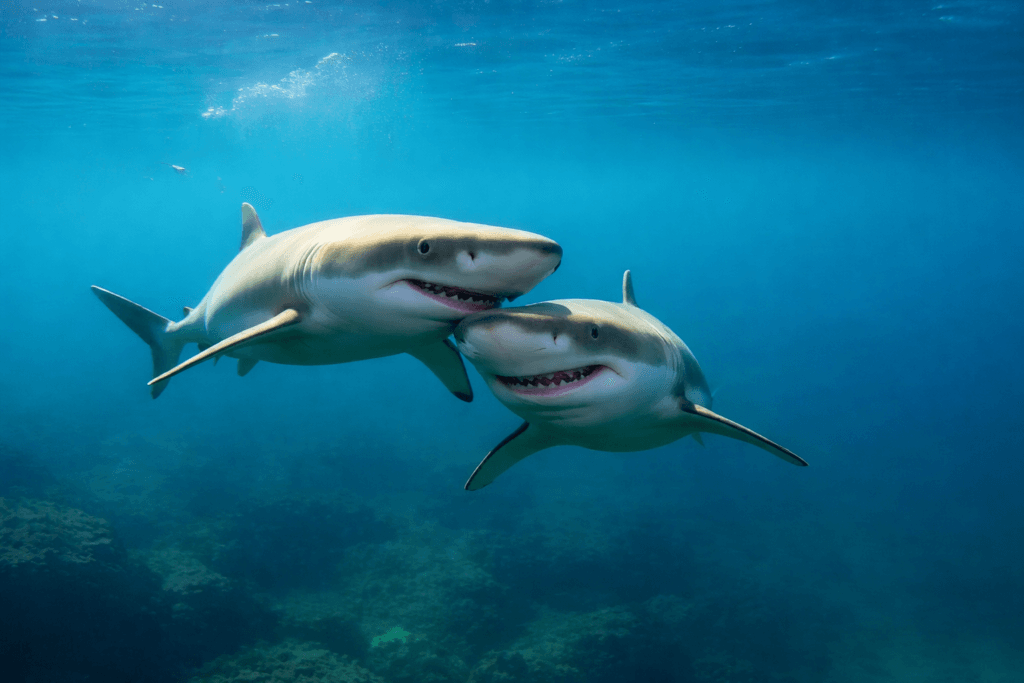
Memory
Recognition skills
Social preference
Adaptability
Not only do sharks act on impulse, but they also show signs of thinking through their moves. What looks like simple hunting might actually be careful planning. Their actions suggest a mind at work, not just reflexes. Far from being mere killers, they adapt, learn, and even remember. Behavior once thought automatic now appears deliberate. Instinct guides them, yet so does experience. These patterns point to something deeper than raw survival.
Sharks Seen Differently Now
Friendly bonds between sharks? That shakes up the usual image of them as cold, threatening hunters.
Understanding their social nature helps:
- Reduce fear and misconceptions
- Promote respect for marine life
- Encourage conservation efforts
Folks start backing conservation once they notice sharks aren’t just lone predators but actually think and interact. Though often feared, these creatures show complex behaviors that shift opinions when observed closely. Seeing them as more than danger changes how humans respond to their survival needs.
How This Finding Affects Wildlife Protection
Out in the deep blue, sharks keep things balanced without much notice. Because they sit at the top, numbers of sea life below shift more slowly.
However, sharks face serious threats:
- Overfishing
- Habitat destruction
- Climate change
Beyond just numbers, shark survival might hinge on unseen connections among them. Break those bonds; their struggles run farther than expected.
Sharks stay safe when we guard how they interact, act, and live. Their survival ties to habits, bonds, connections – each part matters just as much as the next.
To learn about saving nature, go to:
https://www.worldwildlife.org (World Wildlife Fund)
External Link
https://www.nationalgeographic.com (Shark behavior studies)
https://www.oceana.org (Marine conservation efforts)
https://www.floridamuseum.ufl.edu (Shark research and findings)
Conclusion
Not long ago, folks thought sharks were loners. Turns out, some form bonds that look a lot like friendship. This shift in thinking came after researchers watched certain species stick close to specific others over time. What looked random at first now seems intentional. These connections aren’t about mating or survival alone. Some animals choose company, even among predators. Seeing sharks do it changes how we see their minds. Simple actions – swimming together, returning to one another – hint at something deeper. The phrase “sharks have besties” sounds silly until you notice the pattern.
Far from lone predators, these intriguing animals build bonds that boost their chances in sea life. While often seen alone, teamwork sometimes plays a quiet role beneath the waves.
One way to see sharks differently is by understanding how they connect with each other. When people know more, protection begins without force or drama. Life in the ocean stays steady because of these creatures. Change often comes quietly, through awareness instead of noise. What happens below water affects everything above it.
Frequently Asked Questions
1. Do sharks really have friends?
Fins cutting through water often move together by choice. Some sharks keep familiar company on purpose. Pairs appear again and again across seasons. Bonds form without the need for proof. Company matters even beneath solitary myths.
2. Are all sharks social?
Not all sharks swim alone – some stick together, building connections through shared routines. Others move solo, keeping distance even when near kin.
3. How do sharks recognize each other?
Sharks might rely on what they see, how things move around them – maybe even scents in the water – to get clues about their surroundings. Some researchers think sight plays a role, followed by motion detection, while scent could add another layer of awareness.
4. Why do sharks swim together?
Flocks form when safety matters most, sometimes because finding food gets easier that way. Movement in sync can save strength over long distances, too.
5. Are sharks intelligent animals?
Not all sharks swim alone; some stick together, building connections through shared routines. Others move solo, keeping distance even when near kin. Sharks recognize one another through a combination of visual cues, movement patterns, and possibly chemical signals in the water. Swimming in groups enhances their safety and facilitates more efficient foraging, while their ability to learn and remember experiences underscores their intelligence and social complexity.