Introduction: Why the Chaffinch Bird Stands Out
Chaffinch Bird Among the trees, perhaps in a European forest or near a quiet town, there is sometimes a sound – clear, repeated sounds, like little bells ringing on their own.
This tune? Likely poured out by a chaffinch, unassuming at first glance yet bold when it sings. Tiny frame, yes – but packed with flare, charm, and a call so sharp you remember it long after silence returns.
That small, brownish bird that’s hopping around your yard?
The chaffinch is much more interesting than it appears. Watch it for a while and patterns will emerge: flashes of color at sunrise, maneuverability near feeders, and a change in routine as winter approaches. Bright plumage is evident in spring; quieter maneuverability prevails during the colder months.
A common sight, yet full of surprises if you pay attention.
What makes this bird a favorite among those who watch birds or enjoy nature?
Yet it’s often spotted where few expect.
Birds like this hold what matters most, after all
- Color
- Song
- Adaptability
- Widespread presence
This guide walks through every part of the animal’s home, food, daily habits, and survival needs, including.
New to watching wildlife?
Been at it for years? Either way, I picture this bird sharper when finished here. What stands out stays with you.
Chaffinch Bird Basics?
Found in woodlands and gardens, the chaffinch sings its way through much of Europe. This tiny bird, part of the finch group, also appears widely in regions stretching into Asia.
Quick Overview Table
| Feature | Details |
| Scientific Name | Fringilla coelebs |
| Size | 14–16 cm |
| Weight | 18–29 grams |
| Lifespan | 3–5 years (wild) |
| Habitat | Woodlands, gardens, parks |
| Diet | Seeds, insects |
Even though tiny, the chaffinch helps nature by spreading seeds while also keeping insect numbers in check.
A Bird with Distinctive Looks
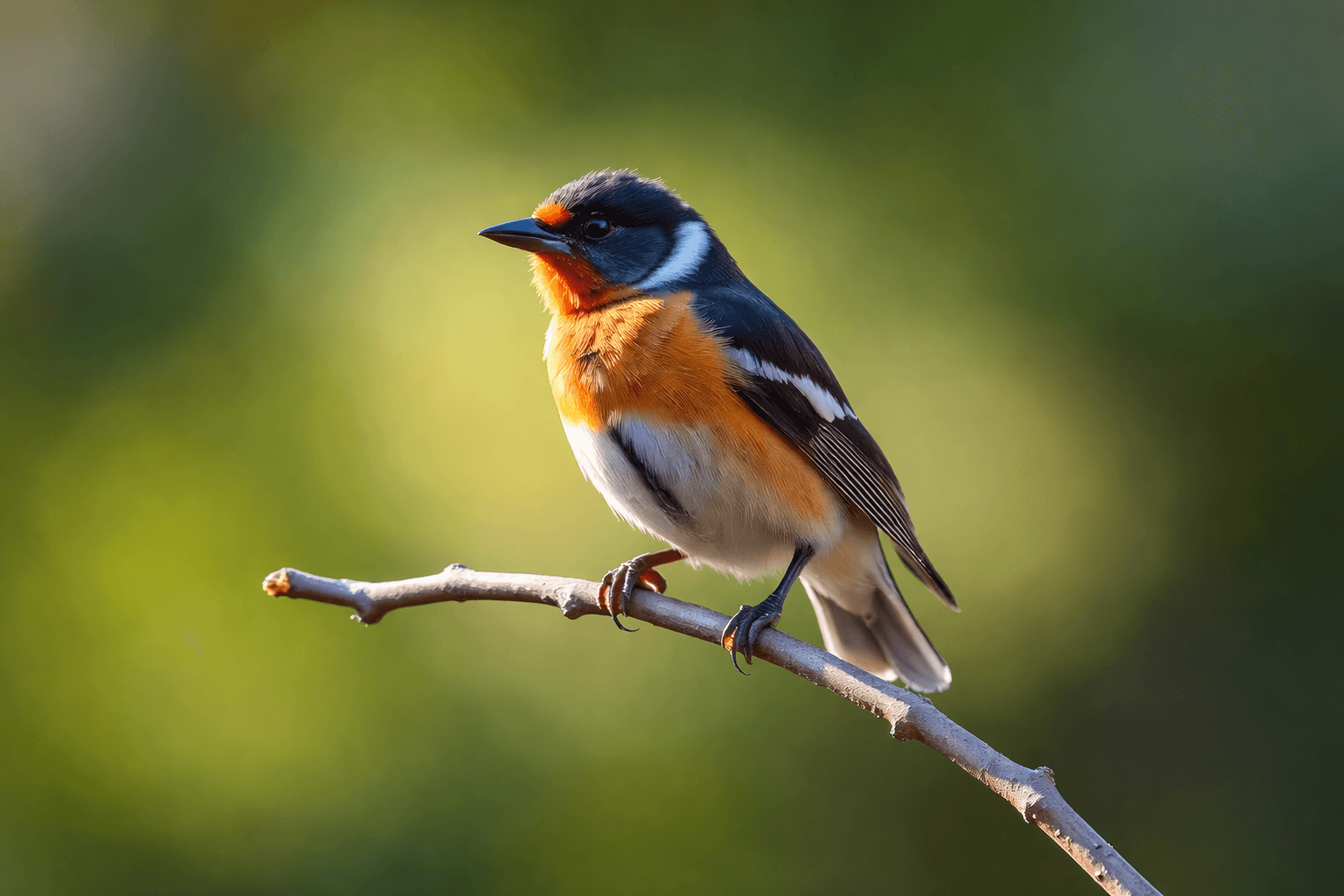
Bright colors stand out right away when you see a chaffinch. The look grabs attention before much else does.
Sex differences in birds
- Male chaffinch
- Blue-grey cap
- Rusty pink chest
- Black and white wings
Female chaffinch
- More subdued brown tones
- Less contrast
- Camouflage-friendly colors
Out there among living things, differences in males and females often trace back to how life handles both drawing attention and staying hidden. To catch a partner’s eye, one sex steps forward – bright, bold, noticed. The other stays low when it matters most, especially while tending young, where fading into surroundings means surviving another day.
Habitat of Chaffinches?
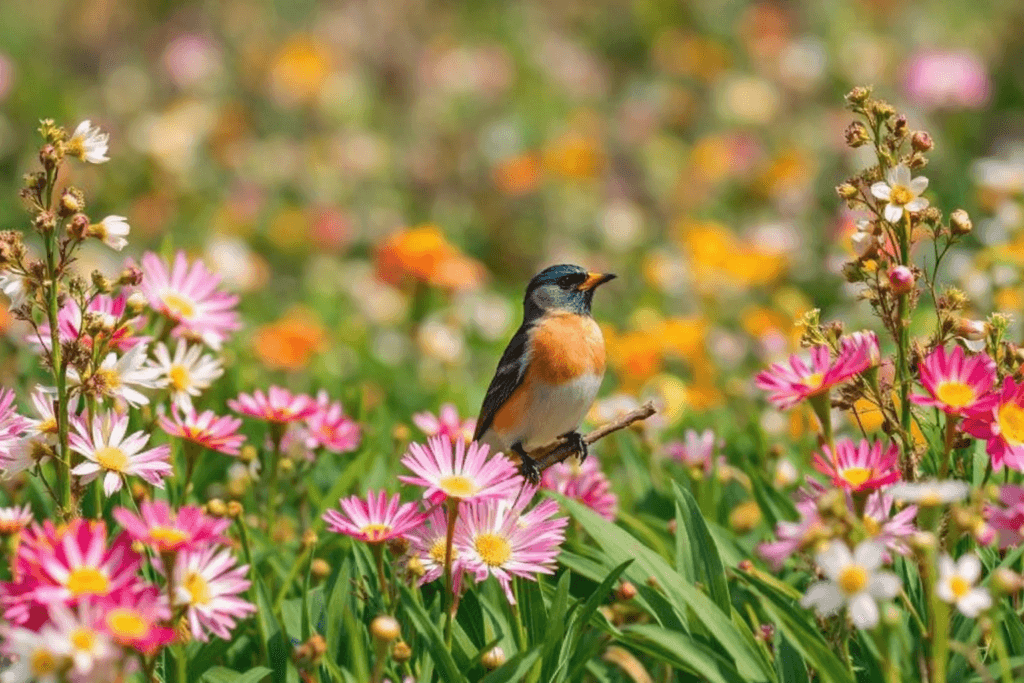
Chaffinches are incredibly adaptable birds. You can find them in:
- Forests
- Gardens
- Urban parks
- Farmland
They are very common and frequently encountered throughout Europe, and amongst the most seen birds on the continent. Their distribution is broad, so they are common in many areas.
Why They Do Well Anywhere
Their adaptability comes from:
- Flexible diet
- Tolerance of human environments
- Strong nesting instincts
Out here among city streets, chaffinches Bird make their way where other birds can’t keep up. Not needing wild woods, they hop between parks and gardens just fine. While most feathered kinds falter, these small singers settle into noise and stone. Instead of vanishing, they adjust – finding food on balconies, nesting in hedges near homes. Where change scares some, it offers a chance for others.
Diet of Chaffinches?
Feeding on both plants and insects, chaffinches adapt easily when food sources change. Their varied diet helps them stay alive through tough seasons.
Primary Food Sources
Those little things inside flower heads, like the kind you find in sunflowers, count too
- Insects
- Berries
- Buds
- Breeding time means more bugs on the menu, since growing chicks require protein-rich meals.
Picture their food choices much like a daily menu – grains give them fuel while bugs help bodies build. A mix keeps things running, one part feeding motion, the other shaping structure. Energy comes from tiny kernels; strength rises from small creatures caught mid-flight. One supports movement through the day, the next aids in mending and forming new cells.
Small Bird Big Personality
Chaffinches are energetic and assertive.
They are:
- Territorial
- Active
- Curious
Fighting isn’t always their way – males sometimes hold ground by singing instead. A sound stands where a clash might have been.
The Famous Chaffinch Song
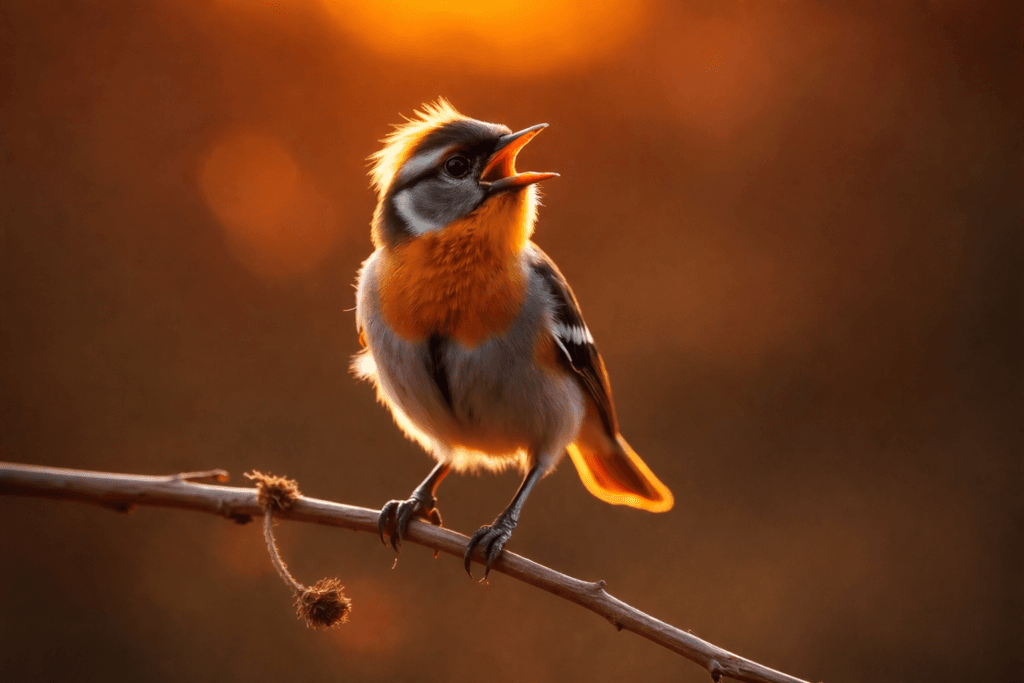
It would be its voice. If the chaffinch had a superpower,
Their song is:
- loud
- rhythmic
- Repeated in patterns
Birders frequently refer to it as the “signature tune.”
Why Do They Sing?
- attract mates,
- mark territory
- Communicate with rivals
Each male has slight variations in its song, almost like a musical fingerprint.
Chaffinch Bird Breeding and Nesting Behavior
Chaffinches are adept at constructing nests.
Nesting Features
- Cup-shaped nests
- Feathers first, then moss tucked in – grass weaves through the whole thing
- Hidden among branches, tucked into leafy spots
Birds of the female kind tend to drop around four or five eggs each round, while the time spent warming them sits near fourteen days.
Migration Patterns
Chaffinch migration depends on location.
- Northern populations → migrate south
- Southern populations → stay year-round
This flexible migration strategy helps them survive in changing climates.
Role in the Ecosystem
Chaffinches are more important than they seem.
They:
- control insect populations
- spread plant seeds
- support food chains
In simple terms, they help maintain ecological balance.
Chaffinch Birds Face Threats
Even so, chaffinches face challenges to their survival, although they are widespread.
Major Threats
- Habitat loss
- Pollution
- Climate change
- Disease outbreaks
Affected by trichomonosis, finches have seen drops in certain areas. This illness is recognized across several bird communities where changes in health appear.
Conservation Status
Right now, Chaffinches aren’t considered at risk worldwide. Still, numbers in certain areas might go up or down.
Conservation efforts focus on:
- habitat protection
- disease monitoring
- Public awareness.
Chaffinch vs. Other Finches
Here’s a quick comparison:
| Feature | Chaffinch | Other Finches |
| Color | Bright (male) | Varies |
| Song | Strong & repetitive | Often softer |
| Habitat | Very adaptable | Species-specific |
| Population | Very common | Some rare |
Why Birdwatchers Love Chaffinches
They are:
- easy to spot
- beautiful
- musically rich
For beginners, they are often the “gateway bird” into bird watching.
How to Bring Chaffinches into Your Garden
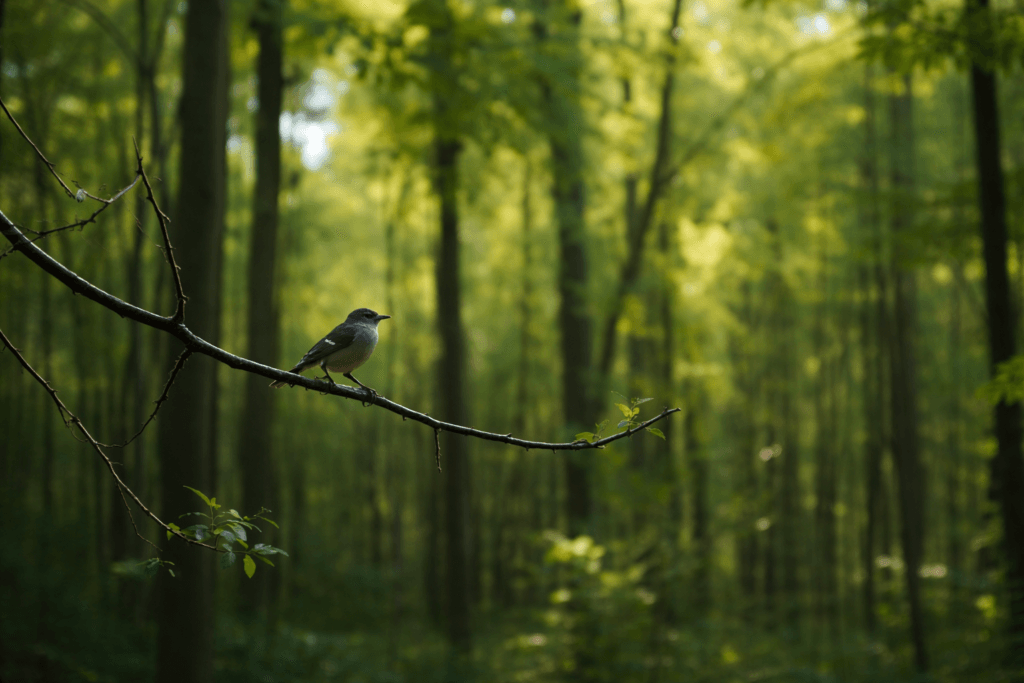
Chaffinches in the garden — want to see them up close?
Try this:
• provide seeds
• add bird feeders
• Plant native shrubs
• ensure clean water.
Once they discover your garden, they often return.
Interesting Facts about Chaffinches
- They can recognize individual songs
- Males sing up to 3000 times per day
- They adapt quickly to urban environments
Their name comes from “chaff” (grain waste they eat)
Importance in culture
In certain European cultures, the chaffinch is a symbol of:
• Joy
• Resilience
• Harmony.
Their cheerful song has inspired poetry and folklore.
External Links
- Scientific and Bird Information Sources
- Conservation and Wildlife Organizations
- Birdwatching Resources
Why This Bird Matters More Than You Think
It’s easy to overlook common birds. But common species often act as environmental indicators.
When their numbers change, it signals deeper ecological issues.
Conclusion
A small flash of color among leaves, the chaffinch sings without showing off. Though common, it sticks around through shifting seasons, holding its place quietly. Its voice rises in early light, threading through branches like something familiar yet hard to name. Not rare, but never ignored, it helps seeds travel, and insects disappear. Change happens fast now, still it stays – ordinary, useful, there. Look closely at chaffinches, suddenly their presence feels like it never went unnoticed – painting quiet moments with song and bright feathers.
FAQs
1. Where are chaffinch birds commonly found?
Found throughout Europe, then stretching into Asia, and also popping up in spots across North Africa.
2. What do chaffinches eat?
Seeds make up part of their diet, while insects show up too. Berries appear now and then, along with bits of plants scattered through meals.
3. Do chaffinches fly south for winter?
Here and there, certain groups move with the seasons; elsewhere, many remain through every month. Not everyone shifts location when winter comes – some simply wait it out where they are.
4. Why do chaffinches sing so much?
For winning over partners, also marking off the space they claim.
5. Are chaffinch birds endangered?
For now, their status sits as at least a concern worldwide.