

Introduction
The longest snakes in the world have captivated human interest in the wild for centuries. Silently moving, with sturdy bodies—some even longer than a car—they instantly capture attention. Of all these reptiles, the largest loom over us like silent titans.
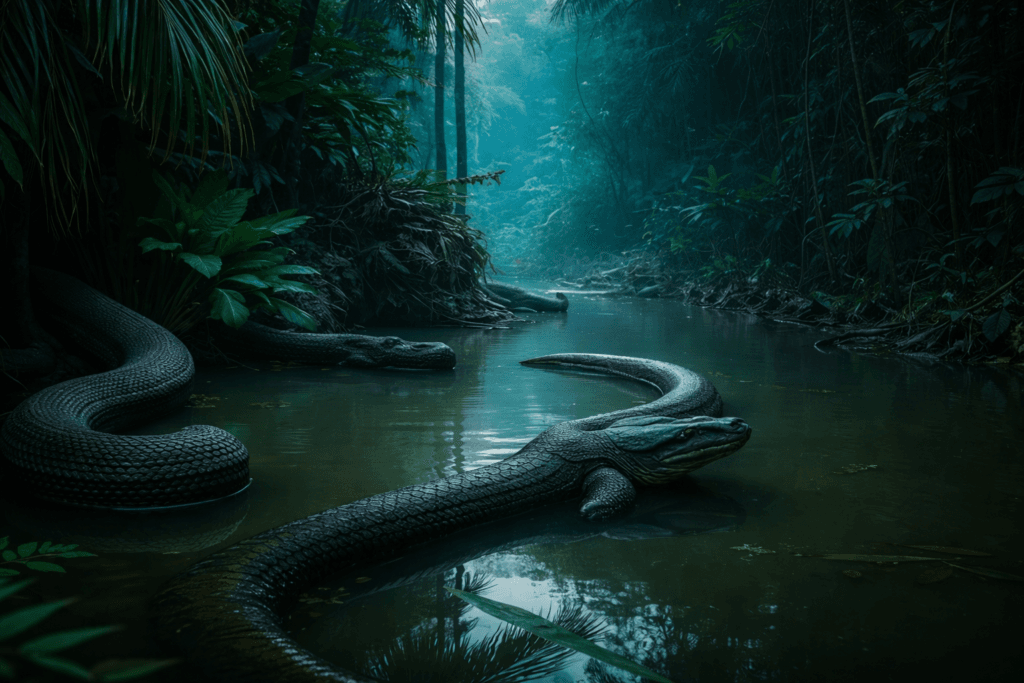
Deep in jungles or sliding through dark waterways, certain scaled hunters rule without warning. Size surprises many – just how far does one of these stretch? The longest among them sets marks that few believe until they see it.
Snake lengths surprise most people. We look at the ten biggest kinds, one by one. Size comes first, then where they live shows up next. Each eats different things, depending on location. Some move through trees, others stick to water. Their traits set them apart clearly. Words stay simple here, meant for anyone. Sentences flow without tricks or clutter. Online rules matter, so clarity wins every time.
Longest Snakes in the world: Characteristics?
Body length determines which snake is the longest, not how thick or heavy it is. Heavier species might fall short when measured tip-to-tail. Slender ones often take the lead in stretch, even if they weigh less. Size isn’t always about bulk.
Key Factors:
- Length (Primary measurement)
- Weight (secondary)
- Habitat and food availability
- Genetics
Take the reticulated python – it holds the title for length. On another note, the green anaconda takes bulk to a whole new level.
2. World’s 10 Longest Snake Species
Here is a quick overview:
| Rank | Snake | Average Length | Maximum Length |
| 1 | Reticulated Python | 10–20 ft | 30+ ft |
| 2 | Green Anaconda | 15–20 ft | 29 ft |
| 3 | African Rock Python | 10–16 ft | 20+ ft |
| 4 | Burmese Python | 10–16 ft | 23 ft |
| 5 | Indian Python | 10–15 ft | 21 ft |
| 6 | Amethystine Python | 10–18 ft | 28 ft |
| 7 | Scrub Python | 10–15 ft | 27 ft |
| 8 | Boa Constrictor | 8–13 ft | 18 ft |
| 9 | King Cobra | 10–13 ft | 18 ft |
| 10 | Yellow Anaconda | 10–13 ft | 15 ft |
3. The reticulated python is the longest snake in the world
World’s longest snake? That award goes to the reticulated python. Length-wise, nothing else comes close.
Key Facts:
- Known as Malayopython reticulatus in science
- Size: 9 meters in length, over 30 feet
- Range: Southeast Asia
- Food: Birds and mammals
- Why It’s Unique:
Surprisingly long, this serpent stretches beyond the size of a city bus. Its bold markings stand out sharply against most backdrops. Wrap after wrap, it tightens until movement stops completely. Power comes from coils that press without pause.
Behavior:
- Non-venomous
- Excellent swimmer
- Can climb trees
4. Green Anaconda Largest by Weight

Heaviest of all snakes, the green anaconda isn’t the longest by any measure.
Key Facts:
- Scientific Name: Eunectes murinus
- Length: Up to 29 feet
- Weight: Over 250 kg
- Habitat: Amazon rainforest
Unique Traits:
- Mostly lives in water
- Ambush predator
- Extremely powerful
5. African Rock Python
The biggest serpents on the continent, African rock pythons stretch long. Their length puts them ahead of most others across sub-Saharan regions.
Features:
- Aggressive when threatened
- Strong constrictor
- Among grasslands, you might spot them.
- Then again, in thick woods, too.
6. Burmese Python
This species has become famous due to its invasive population in Florida.
Highlights:
- Calm temperament (in captivity)
- Excellent climber and swimmer
- Eats large prey like deer
7. Indian Python
Out here in the wilds of South Asia, one kind of serpent quietly keeps nature balanced. Not loud, not flashy – just doing its part beneath the trees and rocks.
Traits:
- Slower than other pythons
- Prefers grasslands and forests
- Protected under wildlife laws
8. Amethystine Python
Also known as the Australian scrub python, this serpent ranks among the longest in Archipelagic Oceania.
9. Scrub Python
- Non-venomous
- Highly aggressive
- Excellent hunter
10. Boa Constrictor
Found across many parts of Central and South America. This reptile stands out in local wildlife. Often seen near forests and rivers. Known by its distinct markings and movement patterns.
Key Points:
- Folks often buy them as pets. Their appeal in stores keeps demand steady
- Strong constrictor
- Medium-length giant
11. King Cobra: The Largest Poisonous Snake
What sets the king cobra apart from the rest here is its venom. While others may look similar, this one delivers a toxic bite. Not every snake in this group can say that. Its danger comes from what flows through its fangs. Other names on the list lack that trait entirely.
Facts:
- Length: Up to 18 feet
- Diet: Eats other snakes
- Highly intelligent
12. Snake Length Growth Explained?
Snakes grow continuously throughout their lives.
Growth Factors:
- Food availability
- Habitat conditions
- Genetics
Now and then, they shed their old skin so more room becomes available for growth.
13. Myths vs Facts
- Snakes do not keep growing forever
- Growth Slows With Age
- Giant Snakes Do Not Regularly Eat Humans
Fact: Extremely rare
14. Conservation Status
Many large snake species face threats like:
- Habitat destruction
- Illegal hunting
- Change Climate
Keeping them safe matters most when nature stays in check.
External Links
- A new wild cat species has been identified in Bolivia.
- Learn more about the world’s 10 longest snakes:
Internal Link:
If you enjoy learning about giant reptiles, don’t miss our detailed guide on the Longest Snakes in the World, where we explore the biggest snake species, their habitats, sizes, and fascinating survival adaptations.
Conclusion
In the tangled jungles, the world’s longest snakes move silently. Longer than many vehicles, reticulated pythons move like living ropes on the ground. Rivers ripple with the weight of green anacondas, their bodies as wide as forest pillars. Older than stories, they silently impart wisdom through time. When they disappear, nature falters, changing unevenly. Hidden worlds speak through their silent survival.
When we know how they live, safeguarding their world becomes natural. That way, those who come after us get to see and appreciate such remarkable animals, too.
FAQs
Q1: What is the size of the longest snake that has ever been recorded?
The reticulated python—named because of its intricate scale pattern—tops 30 feet in length.
Q2: Heaviest Snake Species?
Heaviest of all snakes, the green anaconda slides through water with quiet power.
Q3: Are long snakes dangerous to humans?
They usually stay away from people. Attacks happen rarely.
Q4: Where do giant snakes live?
Mostly in tropical regions like rainforests and wetlands.
Q5: Do snakes keep growing forever?
They grow throughout life but slow down with age.