Introduction: Greenfinches Deep Dive
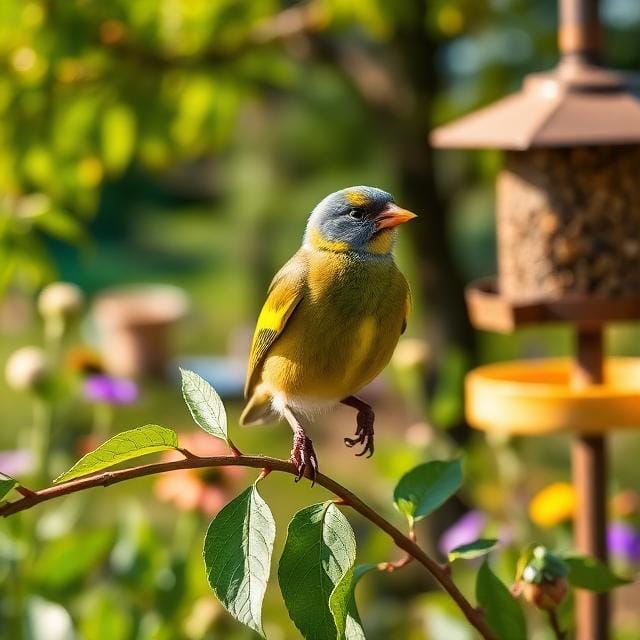
Birds like greenfinches often steal attention without trying. Their feathers shine in shades of green that catch sunlight easily. Listen closely; you might hear their lively songs break through the morning silence. Watch them gather where seeds spill; they move together but never seem rushed.
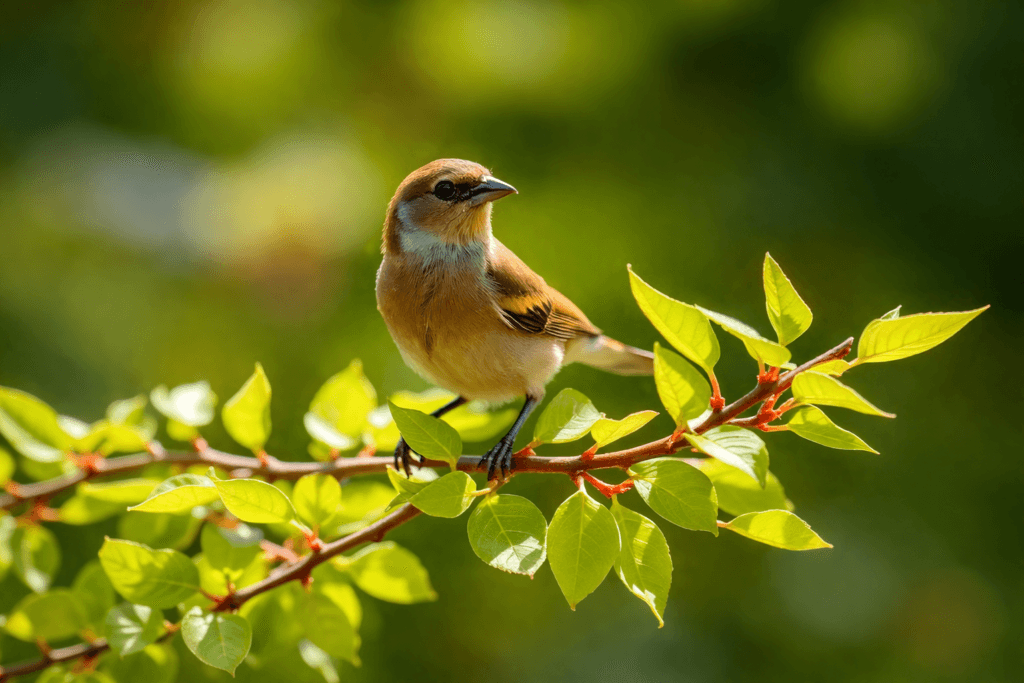
Gardens host them just as much as fields do, maybe more so near hedges. Life hums a little brighter when they land on fences or hop between branches.
Even though they’re tough and striking to look at, greenfinches haven’t had it easy lately. Because we watch how they live, what they eat still matters – what they do shapes the world around them. Seeing that makes protection feel less like a choice, more like noticing something obvious.
What if birds told stories through feathers and flight? Greenfinches do, carrying secrets in their streaked plumage. Their lives unfold across hedgerows and gardens, shaped by weather, predators, and dwindling food. See how color marks identity – yellow flashes on wings like signals midair.
Survival isn’t certain; parasites and disease stalk quietly. Yet they sing anyway, short bursts between leaf rustles. Each fact here sticks close to what’s seen, not guessed. Details pile like autumn seeds beneath feeders – small things adding up.
What Are Greenfinches?
A flash of yellow on olive wings often marks the Greenfinch – part of the finch group, though smaller than most. This one is listed as Chloris chloris in the official records.
Across Europe, some areas of Asia, and then stretching into North Africa, greenfinches show up just about everywhere. Parks welcome them, so do backyards, and even busy city corners keep these birds around.
Key Features
- Olive-green body with yellow wing flashes
- A short, thick beak is ideal for seed eating
- Stocky build compared to other finches
- Distinctive twittering song
Physical Traits and How to Recognize
Starting at about 14 centimeters, greenfinches stretch up to 16. Bright lime and gold feathers usually mark the males. Females take on a softer look, washed in hushed shades. Their colors step back, less sharp than their male counterparts.
Spotting a Greenfinch
- Bright yellow streaks on wings during flight
- Strong, conical beak
- Slightly forked tail
- Standing straight while sitting on a branch
Green tones mix with brown hints, letting these creatures vanish among leaves. Hiding this way keeps them from being spotted easily.
Natural Habitat and Distribution
Out in city parks or deep inside woodlands, greenfinches make themselves at home. Whether perched on garden feeders or hopping through shrubs near farmland, they settle right in. Even coastal scrublands host these birds, showing how flexible they really are. From lowland towns to quiet countryside edges, their presence remains common. Not just limited to one type of place, they appear almost everywhere across varied landscapes
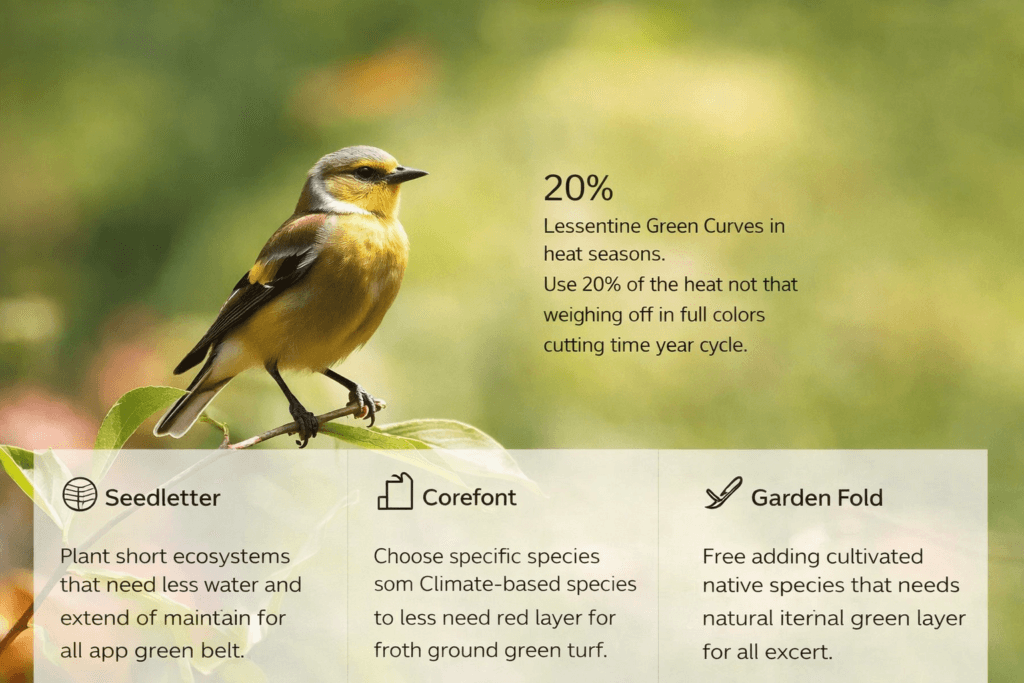
- Woodlands and forest edges
- Fields and hedges of farmland
- Other areas include city parks and private gardens
- Groves and brush
Where trees crowd together, they settle in. Shrubs matter just as much – these spots offer both meals and places to raise young. Nesting happens where leaves thicken overhead. Food shows up close when the cover is dense. Thick green spaces hold what they need.
Geographic Range
- Greenfinches are commonly found across:
- Europe
- Western Asia
North Africa. Winter moves cover just a little ground for certain groups, whereas some stick to the same spot all through the year.
Diet of Greenfinches?
Seeds form the main part of a greenfinch’s diet, so these birds often help plants spread. While eating, they carry bits away without meaning to. Their feeding habits quietly move life across fields. What sticks gets dropped somewhere new. This small act shapes how some plants grow in different places.
What They Eat: A Typical Diet Is:
- Seeds of the sunflower.
- Grass seed
- Berries and fruits
- Buds and shoots
Now and then, bugs show up – more so when they’re mating. Breaking into hard seeds comes naturally because of their powerful beaks.
Behavior and Social Structure
Outside their nests, they gather in small groups, their calls drifting down from leafy roosts.
Main Behavioral Traits
- Active during the day
- Strong fliers with undulating flight patterns
- Communicate using soft, musical calls
Frequently visit bird feeders. Bird lovers often spot these friendly creatures during morning walks. Sometimes they chirp in groups, drawing attention without trying.
Breeding and Nesting Habits
Birds like greenfinches make nests when flowers start blooming. Early warmth brings out their mating habits before midyear arrives.
Nesting Details
- Build nests in dense shrubs or trees
- Use twigs, grass, and moss
- Line nests with feathers and soft materials
Reproduction
- Lay 4–6 eggs per clutch
- Twelve to fourteen days pass before hatching happens
- Both parents feed the chicks
Fledging happens in young greenfinches after around two or three weeks. Still, they might stick close to their parents a little longer. Their independence comes gradually, not right away.
Greenfinches Play Key Roles in Natural Systems
Greenfinches play an important ecological role.
1. Seed Dispersal
Seeds move across land because animals eat them, then carry them far. Their droppings drop new plants where few grow. Travel happens when creatures wander after feeding. Life spreads not just by wind, but through full bellies. Where they rest, green things start again.
2. Balanced food chain
Birds of prey and even the smaller hunters feed on them.
3. Biodiversity Indicators
Birds like the greenfinch thrive only when nature stays in step. A steady number means things are holding together without tipping too far one way.
Threats Facing Greenfinches
Even so, greenfinches deal with many dangers. Yet they adjust, but harm still finds them. Still, changes around them bring trouble. Though tough, problems keep coming. However hard they try, risks remain close
1. Disease
A big issue shows up in places where bird numbers have dropped sharply – Trichomonosis plays a key role there. Populations take hits, often linked to this sickness spreading fast under certain conditions.
2. Habitat Loss
Paving cities wider, farms push harder – wild spaces shrink. Fields grow, streets spread, green fades between.
3. Pollution
Farming chemicals, along with pollutants, taint what we eat, harming well-being over time. Though invisible at first, their presence builds up where least expected – inside bodies, across seasons.
4. Change of Climate
Rapid storms are said to make it difficult for the animals to mate at the right time. If spring jumps ahead or drags behind, bugs and greens may vanish just when hunger strikes.
Conservation: What You Can Do to Help and How to Do It
To save the greenfinches, global and local measures must be taken
Support Conservation Organizations link
What You Can Do
- Provide clean bird feeders and fresh water
- Avoid pesticide use in gardens
- Plant native trees and shrubs
- Clean feeders regularly to prevent disease spread
Support bird conservation programs
Interesting Facts about Greenfinches
- Greenfinches have powerful beaks capable of cracking hard seeds
- Their flight call sounds like a drawn-out “dwee.”
- Males perform display flights during courtship
- They are closely related to other finches like goldfinches and chaffinches
Conclusion
Out there among the trees, greenfinches do far more than catch the eye. These birds weave through garden life and wild woods alike, linking us quietly to natural rhythms. Noticing them brings awareness – simple, steady – a reminder that variety in nature holds everything together. Facing illness or losing where they live shows how fragile ordinary birds can be. When people learn about greenfinches and help them, it becomes one way – quiet yet real – to keep nature alive down the road.
FAQs about Greenfinches
1. Are greenfinches rare?
Birds like greenfinches remain widespread across various places, yet numbers dip where sickness spreads or nature shifts. Though seen often, their presence fades when habitats alter or illness strikes nearby.
2. Do greenfinches migrate?
While many greenfinches stay put year-round, others shift locally when colder months arrive.
3. What attracts greenfinches to gardens?
Greenfinches show up when seed feeders are around. Fresh water makes them stay longer. Native plants nearby help too.
4. Are greenfinches friendly birds?
They stick together like birds that act the same, yet vanish in different directions whenever people come near.
5. Protecting Greenfinches?
Start by wiping down feeders often. Skip artificial cleaners when you can. Back groups working to protect wildlife.