
Animals in the Wildlife Center can vary widely by facility. Some wildlife centers care for native animals and support rehabilitation, while others provide lifelong homes for rescued residents or offer guided educational encounters. An education ambassador is an animal that helps people learn about its species through supervised educational experiences. The Wild Animal Sanctuary in Colorado, for example, says it cares for more than 950 rescued animals across its facilities; check its official facility information for its current figures.
The term “wildlife center” covers several kinds of organizations, so the name alone cannot tell you which species will be present or whether visitors can view them. Each facility’s mission and animal-care approach shape what guests can learn and see.
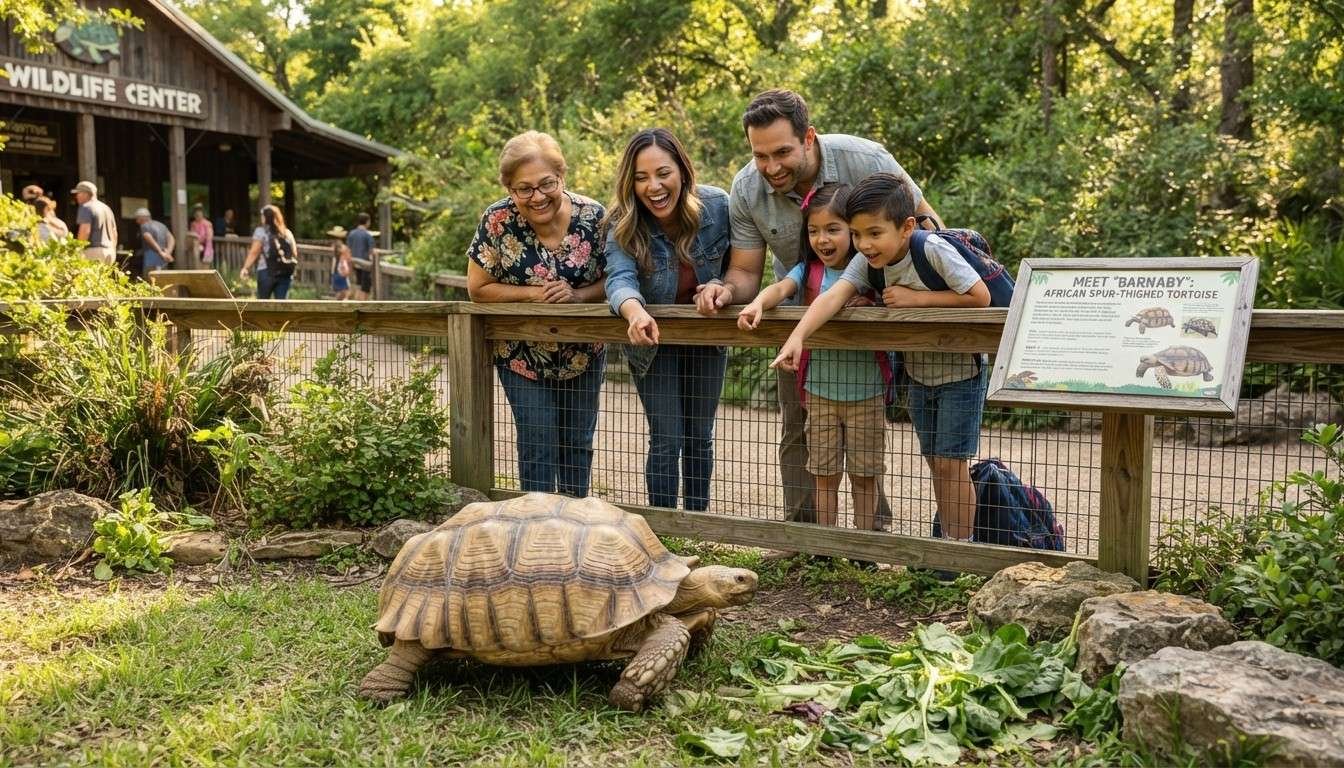
Your visit may focus on learning about conservation, seeing animals that need a safe home, or observing wildlife up close. The most useful first check is whether a facility focuses on rehabilitation, permanent residents, public education, or a mix of those roles.
Key Takeaways
- Animal species and experiences differ by facility.
- Education ambassadors help visitors learn about wildlife.
- Some centers focus on rehabilitation and release.
- Others provide lifelong care for permanent residents.
- Check the center’s mission before planning your visit.
Animals in the Wildlife Center: Species You May See
Wildlife centers can range from places focused on native birds and reptiles to large facilities caring for lions, bears, wolves, and other mammals. The animals at one facility may differ greatly from those at another. Some centers have many species, while others focus on a smaller group of local wildlife.
Mammals from otters to large carnivores
Some centers care for animals from several regions, including large mammals that need extensive care. The Wild Animal Sanctuary cares for more than 950 animals, including lions, tigers, bears, wolves, jaguars, cheetahs, leopards, mountain lions, camels, and mustangs. Its animal care and resident details show the range one large center may include.
Other wildlife centers offer encounters with smaller mammals. At Otter Falls, otters swim, eat, and play. These active moments can make an encounter feel different from watching a resting animal, though animal behavior changes throughout the day.
Birds, reptiles, amphibians, and fish
Birds and smaller species are common education ambassadors at some facilities. You may see common ravens, Eastern screech owls, or American kestrels. Snakes, turtles, frogs, toads, and fish may also help visitors learn about local wildlife and its needs.
Here are five animal groups you may encounter, with examples:
- Large mammals: bears, lions, and mountain lions
- Small mammals: otters and rabbits
- Birds: ravens, owls, and kestrels
- Reptiles: snakes and turtles
- Amphibians or fish: frogs, toads, and fish
Why an animal count is only a starting point
A facility-wide count describes its residents, not a promise that every animal will be visible during your visit. An individual wildlife center may display only some of its residents at a time. Care needs, animal rest, and center routines can all affect what visitors see.
The Philadelphia Zoo opened to paying visitors on July 1, 1874, making it the oldest zoo in the United States. The zoo’s current official website describes it as home to more than 1,900 rare and endangered animals. These figures describe this zoo, not a typical wildlife center. Read the Philadelphia Zoo’s history and current overview for the latest details.
Before choosing a visit, check whether the species you most want to see are residents at that particular facility.
How Habitats Shape What You See
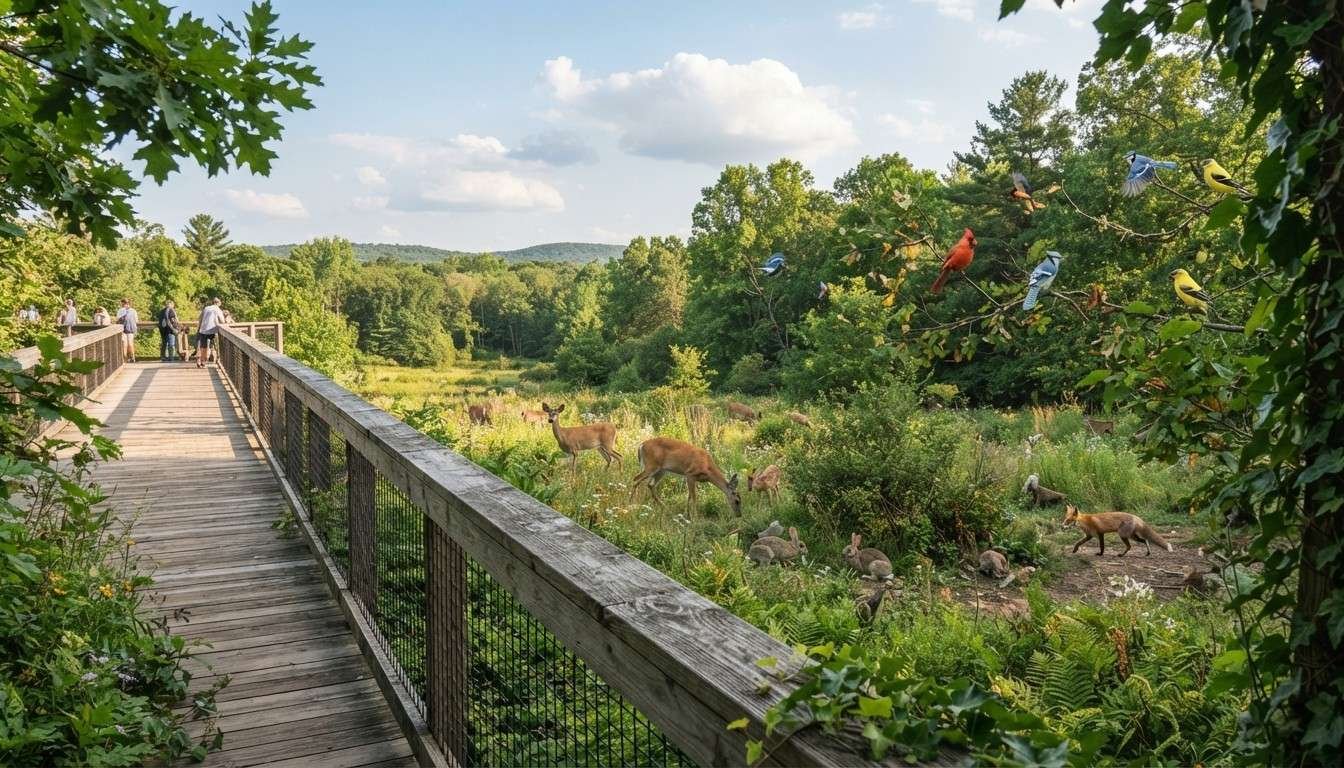
A center’s landscape can change your visit from watching animals along an elevated walkway to viewing them across open-range habitat. A large acreage figure describes habitat scale, not how many animals you will see on one visit. The viewing setup also shapes how close an encounter feels.
Large natural habitats and elevated walkways
The Wild Animal Sanctuary operates three U.S. facilities covering more than 40,000 acres combined. At its Keenesburg facility, 1,450 acres of natural habitats sit alongside 1.5 miles of elevated walkways. The Keenesburg habitat and walkway figures show how a large site can offer high views across animal habitats.
The sanctuary’s other Colorado sites have different scales. The Wild Animal Refuge in Springfield has 10,000 acres of natural habitats, while the Wild Horse Refuge in Craig has 30,000 acres. The land offers room for animals, but visitors may see only part of a site during one visit.
Open-range and guided viewing
Open-range viewing lets you look across broad habitat rather than follow a single indoor path. The Wilds in southeastern Ohio spans about 10,000 acres of pastures, grasslands, forests, and lakes. It is a large conservation center and safari park, not simply a conventional zoo. Its open-range habitats include rhinos, giraffes, Przewalski’s wild horses, and cheetahs. See The Wilds’ official overview for its current description and acreage.
Guided tours can bring a different kind of encounter. Global Wildlife Center in Louisiana is home to more than 2,000 exotic, endangered, and threatened animals. Its canopy-covered wagon tours are guided, and visitors are encouraged to touch and feed animals during the tour under the center’s rules. Check the Global Wildlife Center’s official tour information before planning a visit.
| Facility | Setting or scale | Viewing format | Animal examples |
|---|---|---|---|
| Keenesburg facility | 1,450 acres; 1.5 miles of walkways | Elevated walkway | Lions and bears |
| The Wilds | About 10,000 acres | Open-range habitat and guided safaris | Rhinos and giraffes |
| Global Wildlife Center | More than 2,000 animals | Guided, covered-wagon tours | Exotic and endangered wildlife |
The Wilds’ official safari and tour information describes its open-range habitats and the animals visitors may see. Treat acreage as a clue to habitat scale, then check the facility’s current viewing options for the experience you prefer.
How Rescue and Lifelong Care Affect Viewing
Some wildlife centers treat injured, sick, or orphaned animals with the goal of returning them to the wild, while others provide permanent homes when release is not possible. An animal’s care plan depends on its health and ability to live safely in the wild.
Rehabilitation and release
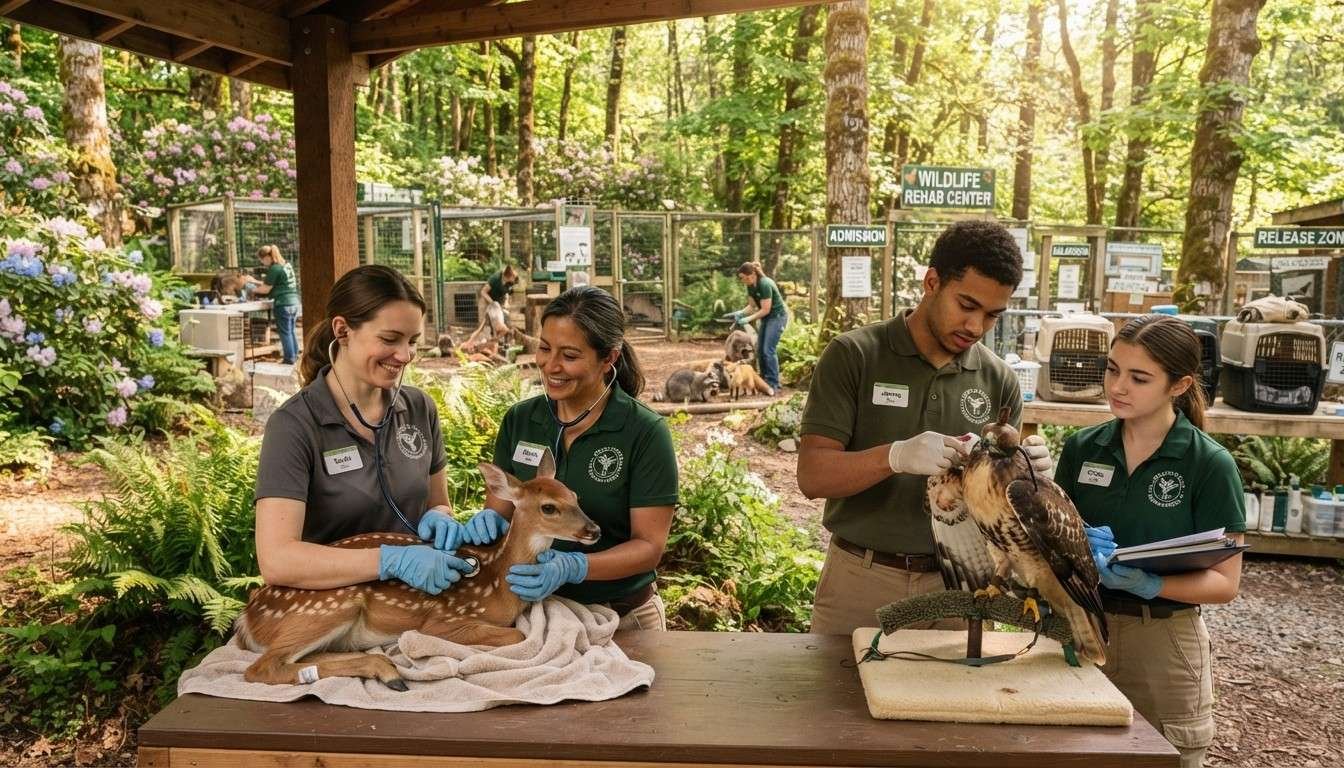
Rehabilitation aims to help an animal recover and return to its natural home when release is safe and appropriate. California Wildlife Center accepts animals 365 days a year and works to rehabilitate native wildlife for release. Alaska Wildlife Conservation Center also takes in injured and orphaned animals year-round, but says most animals that arrive there become permanent residents. These are different care models; see the California Wildlife Center’s rehabilitation information and the Alaska Wildlife Conservation Center’s care overview.
Care can include several stages, but each animal’s path may differ:
- Rescue or intake
- Examination and treatment
- Recovery
- Release or long-term placement
Some animals cannot return to the wild because of an injury, an early loss of a parent, or another safety concern. The Smithsonian National Zoo explains how staff supports animals with impairments in its examples of care for impaired animals. Changes to habitat, training, and enrichment can help them live well in human care. For another example of wildlife rescue and recovery, read our story about the eagle with a broken wing that returned to the wild.
Permanent residents and education ambassadors
Wildlife Learning Center provides lifelong care to more than 100 displaced, rescued, and zoo-born animals. Some residents take part in supervised educational experiences that help visitors learn about their species. The center describes its mission and animal residents on its official website.
Individual animal stories can help explain why some residents need lifelong care. However, an animal’s history should be included only when the center has published a reliable account and the details are still accurate. The key point for visitors is that a permanent resident may have medical, behavioral, or safety needs that make release unsuitable.
A resident animal’s presence in a center can reflect a specific medical, behavioral, or safety need rather than a lack of rehabilitation effort.
How to Plan a Wildlife-Center Visit
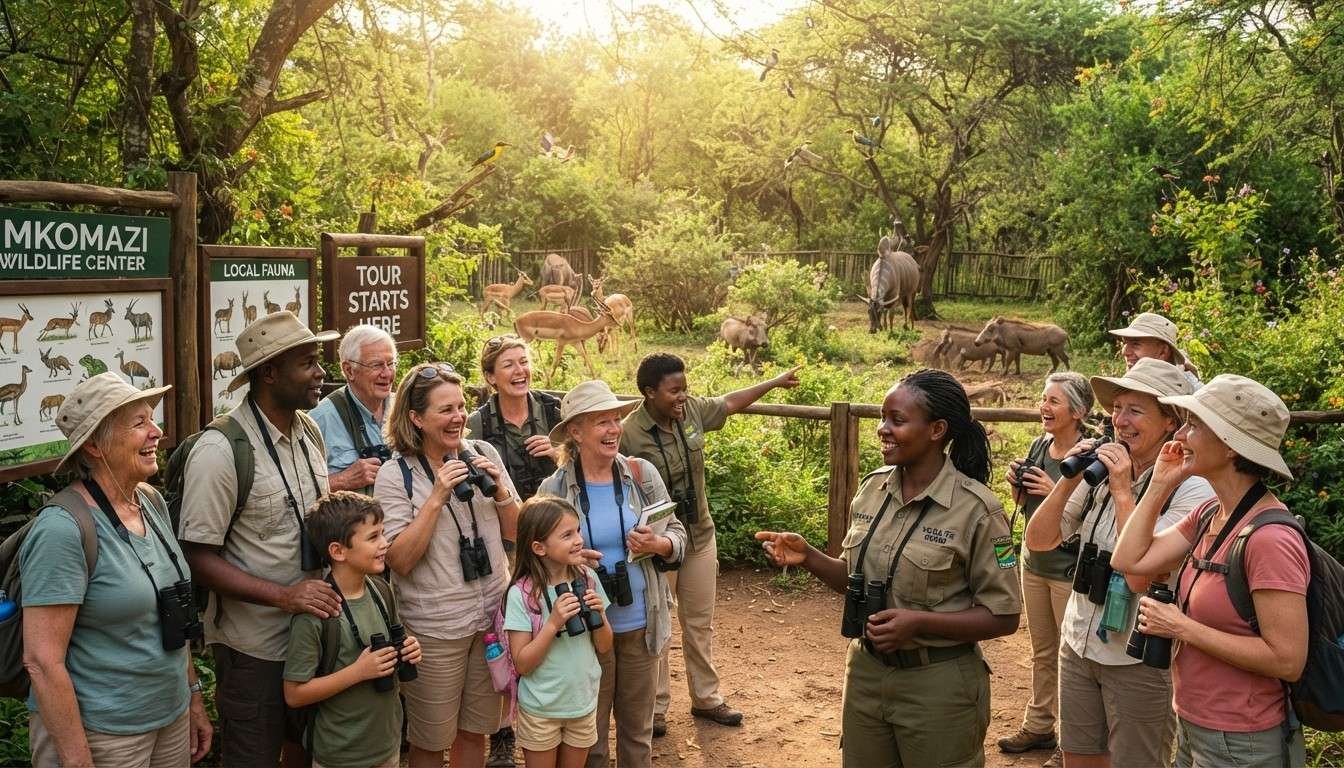
A good visit starts with the kind of encounter you want, whether that means a self-guided walk, a live cam, or a scheduled tour. Hours, reservations, and animal-contact rules differ by facility and activity. Pick an experience that fits your interests, then check its current terms.
Match the visit to the encounter
A self-guided visit gives you time to move at your own pace and watch animals as they are active. A live cam lets you observe from home, without traveling. The Wild Center’s Otter Falls live cam shows the otter area and a brook-trout stream; the otters may not always be visible because they also have an outdoor recreation area.
Bookable encounters may include a guide or a closer look at an animal. Alaska Wildlife Conservation Center offers experiences such as Moose Encounters, Bear Encounters, and its Walk on the Wild Side tour. Availability, feeding opportunities, and tour details can change, so check the center’s official visit and tour page before booking.
Some tours allow visitors to touch or feed animals, while others do not. Permission depends on the facility, the tour, and the animals involved. Do not assume a rule from one encounter applies to another.
Check hours, reservations, and contact rules
Wildlife Learning Center lists general admission hours as Monday through Sunday. Reservations are recommended for general admission and required for private tours. Check its current admission information before traveling, since visitor policies can change.
Before leaving home, review these four details:
- Confirm hours and holiday closures.
- Check if reservations are suggested or mandatory.
- Read the rules for touching or feeding animals.
- Verify tour availability and any age or accessibility requirements.
A tour’s age limits or access needs can shape who can take part. The same is true of its schedule, since a guided encounter may not run every day. Check the details for the exact activity you plan to book.
For a remote visit, a live cam can help you see animal behavior without joining a tour. For an in-person visit, decide whether you want to walk on your own or follow a guide. That choice can help you focus on the details that matter most to you.
Recheck a facility’s hours and reservation terms before traveling, especially around Thanksgiving and Christmas.
Conclusion
Choose a wildlife center by matching its mission and viewing style to the animals and experience that matter most to you. Some visits focus on learning about rehabilitation, while others let you observe permanent residents or join a guided encounter.
Your best fit depends on what you hope to learn and see. A center’s educational work may explain how animals receive care, while a guided visit can offer a closer look at its work.
Choose a facility, then confirm its current animal information and visit requirements directly before making plans. Check the facility’s latest visitor information before you go.
FAQ
What are 20 wild animals?
Twenty wild animals include deer, foxes, wolves, coyotes, bears, raccoons, skunks, rabbits, squirrels, and beavers. Other examples are otters, bobcats, mountain lions, elk, bison, eagles, owls, hawks, turtles, and snakes. These animals live in many kinds of habitats. Some wildlife centers care for a few of these species, while others focus on different animals.
How large is The Wild Animal Sanctuary?
The Wild Animal Sanctuary operates three Colorado facilities covering more than 40,000 acres combined, according to its official site. Its Keenesburg facility includes about 1,450 acres of natural habitat, while its other sites have different acreage. The 30,000-acre figure refers to the Wild Horse Refuge in Craig, not the number of animals. Because organizations measure sanctuary size in different ways, it is best to compare their published facility details rather than call one the largest without a consistent independent comparison.
How large is The Wilds in Ohio?
The Wilds is in southeastern Ohio and spans about 10,000 acres, according to its official visitor information. It describes itself as a conservation center and safari park, with open-range habitats and guided tours. It is more accurate to call it one of the world’s large conservation centers than to label it the largest zoo in the United States. See The Wilds’ location and acreage details.
What is the oldest American zoo?
The Philadelphia Zoo is the oldest zoo in the United States; it opened to paying visitors on July 1, 1874. Its current official overview says it is home to more than 1,900 rare and endangered animals. The zoo’s animal collection changes over time, so check the Philadelphia Zoo’s official overview for current information.
Can you touch or feed animals at a wildlife center?
Sometimes, but touching or feeding animals depends on the facility and the activity. Global Wildlife Center offers opportunities to touch and feed animals during guided, canopy-covered wagon tours. Other centers may limit contact to protect animal health and safety. Check the Global Wildlife Center’s tour rules and the rules for the exact activity you plan to take, since permission on one tour does not apply everywhere.
Are animals at wildlife centers released back into the wild?
Some animals return to the wild after rehabilitation, while others become permanent residents or education ambassadors. An animal may need long-term care if an injury or other condition prevents safe release. Education ambassadors help people learn about their species through encounters. The care plan depends on each animal’s health, history, and ability to live safely outside human care.
2 thoughts on “Animals in the Wildlife Center: What You Can See”