Exploring the Columbia Region
Geographic Overview
Columbia Region Is a Paradise for Birds. characterized by its changing terrain, stretches from the U.S. Pacific Northwest through parts of Canada. Home to a diverse ecosystem—dense coastal forests give way to dry open plains—it hosts a wide variety of creatures. This fast-flowing river, one of North America’s largest, provides food for a wide variety of creatures along its path. Birds are especially dependent on it; their survival is closely linked to this flowing water.
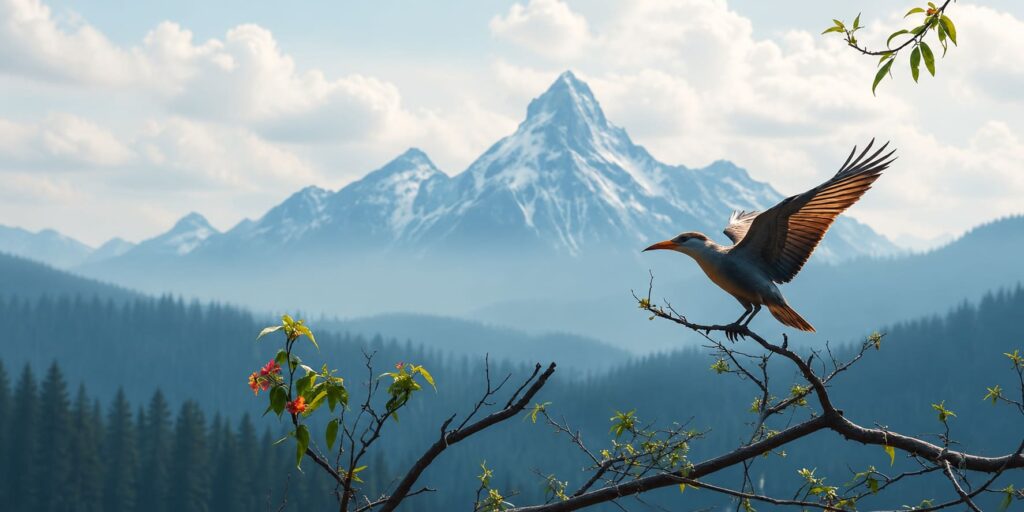
One thing stands out about this area: the land changes fast. Picture moving through thick green valleys into wild cliff zones without driving far. As you shift from one zone to another, new birds appear. Every setting holds different kinds of birds, so each moment feels fresh. The variety does more than look striking – season after season, it helps birds survive. Far from static, the Columbia Region sits right on major pathways birds follow across continents. Following long flights, many pause here simply to eat and regain strength. Because of that, those who watch birds find fresh activity at any time of year. Always shifting yet somehow familiar, the scene unfolds without pause – nature putting on its endless show.
Climate and Ecosystem Variety
Out near the water, rains come soft and often, yet farther inside, it shifts – summers turn sharp with heat, winters bite hard. Where one spot stays damp under gray skies, another bakes under the sun, then freezes when days shorten. Different temps stack together like layers, building pockets where birds find their fit. Each corner holds its own kind of life, shaped by how much rain falls or how long frost lasts.
Deep woods out west cradle creatures built for thick, wet spaces. Over eastward stretches, open plains and arid zones draw birds suited to drier lives. Water spots like marshes, streams, and ponds bring extra variety into play – feathered travelers stop by when seasons shift. The birds mostly hang around because they always have a place to land. One peek through binoculars may yield warblers one month, hawks the next. Even if you’ve never seen them before, trails along rivers or through fields provide variety. Each time writes its own list. The terrain isn’t really that repetitive.
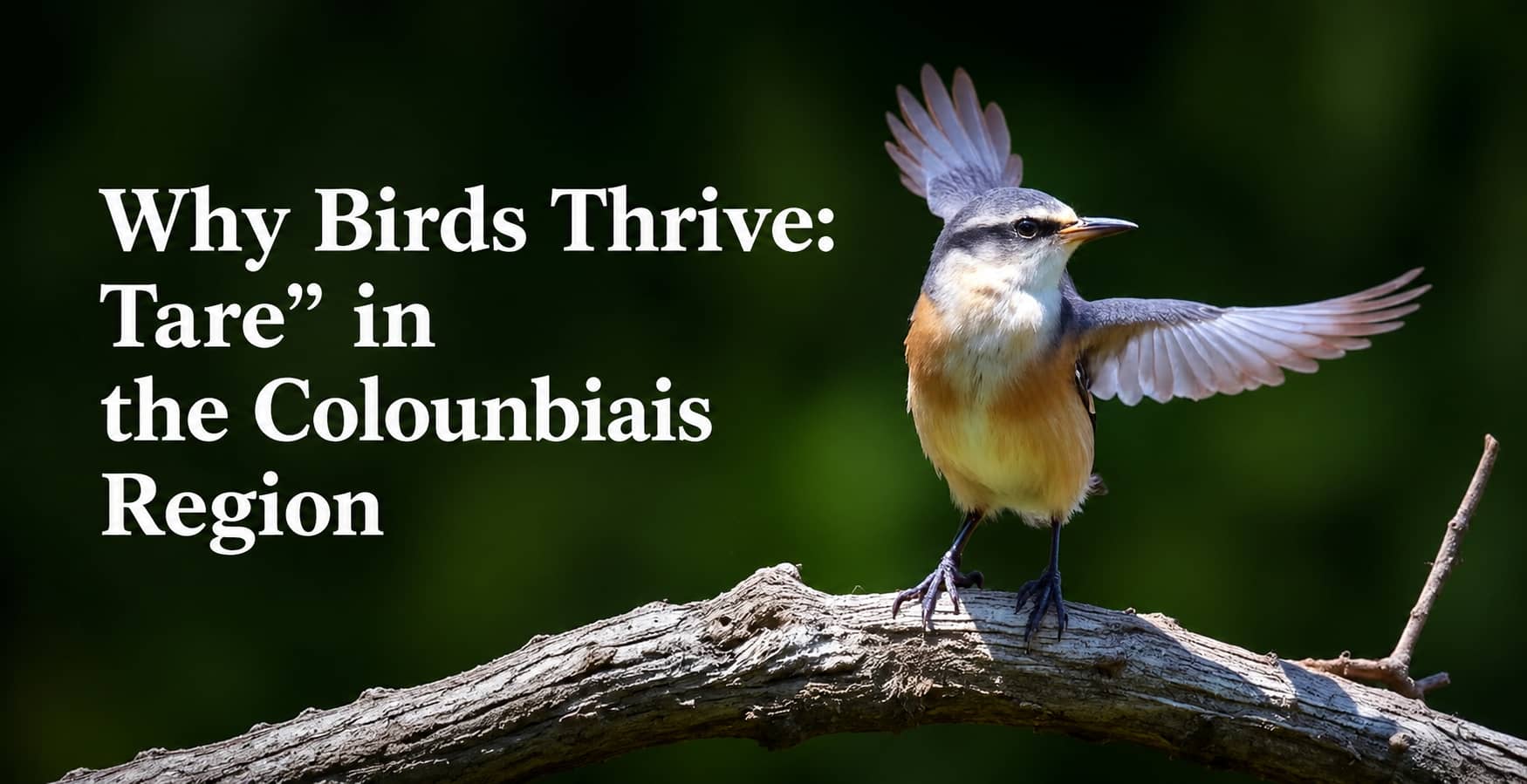
Why Birds Thrive in the Columbia Region
Unique Biodiversity
High up near rocky edges, eagles ride the wind while warblers stay tucked in thick green cover below. What makes this place so full of bird species? Blame it on borders – where forests meet open land, and mountains touch wide valleys. Not every spot mixes habitats as this one does. Hummingbirds dart along humid ravines as much as vultures circle over dry mountain tops.
Life stacks in these folds, locking in place without getting the nod. Fishes swim near, insects dart about beneath, seeds drop on naked earth, and small rodents whisk through the scrub. The Columbia River brings fresh nourishment constantly for all those who dwell beside it. So for this steady diet, the native species remain throughout the year; the others make long journeys solely to reach it.
Out here, life moves in strange patterns. Sometimes it’s a flash of color low in the brush – something seldom spotted. Other times wings slice through fog, moving south without sound. Moments like these keep eyes scanning treetops. Not knowing matters more than seeing. A sudden call from above changes everything. What shows up can shift the whole morning.
Migration Routes and Flyways
High above, the Columbia Region cuts into sky routes used by countless birds. Instead of flying nonstop, many pause here after long stretches over land or sea. Right in their path, this stretch offers rest before the next leg begins. Millions stream along the Pacific Flyway every season, drawn by necessity more than choice.
When birds move between regions, the atmosphere shifts. Above, waves of geese carve paths through clouds instead of just flying straight. Wetlands hum with ducks skimming low over ripples where shadows dart below. Forests hold quiet moments when tiny wings settle into thick branches. People arrive quietly, drawn by motion in treetops and sudden bursts above lakes.
When birds move across regions, it shows why protecting nature matters. If places such as the Columbia wetlands weren’t there to rest and feed, countless species might fail mid-flight. Because of that, this landscape becomes more than scenic – it turns into a quiet lifeline along ancient paths.
Migration Routes and Flyways
High above, the Columbia Region cuts into sky routes used by countless birds. Instead of flying nonstop, many pause here after long stretches over land or sea. Right in their path, this stretch offers rest before the next leg begins. Millions stream along the Pacific Flyway every season, drawn by necessity more than choice.
When birds move between regions, the atmosphere shifts. Above, waves of geese carve paths through clouds instead of just flying straight. Wetlands hum with ducks skimming low over ripples where shadows dart below. Forests hold quiet moments when tiny wings settle into thick branches. People arrive quietly, drawn by motion in treetops and sudden bursts above lakes.
When birds move across regions, it shows why protecting nature matters. If places such as the Columbia wetlands weren’t there to rest and feed, countless species might fail mid-flight. Because of that, this landscape becomes more than scenic – it turns into a quiet lifeline along ancient paths.
Songbirds and Forest Species
Among treetops in the Columbia Region, songbirds bring constant noise. Warblers, thrushes – sometimes sparrows – turn quiet mornings into bursts of sound, mainly when seasons shift toward warmth. Tiny they might be, still the land feels brighter because they’re there.
Out in the woods, thick plants give shelter and safe spots for nests – life depends on it. Without steady care for trees, some creatures wouldn’t stand a chance. Listening closely, people catch chirps and melodies that shift with every step through the underbrush.
Passeriformes and Other Birds of the Wetland
Out by the Columbia, where the wetland interfaces with moving water, waterbird flocks regularly appear each season. Flocks of ducks settle into slow stretches, while geese call overhead, landing in groups when moving south. Herons stand still near edges, waiting. Where there is food underwater, wings arrive above. Breeding happens where roots tangle below surface ripples.
Waterfowl show up when nature’s doing well. Where there is plenty of greenery along with fresh water, these birds tend to thrive. Their lives depend on both clear water plus rich plant life around it. Seeing them means the surroundings likely support balanced conditions. They stick around only if what they need stays intact.
Top Locations for Bird Watching
Parks and Refuges That Are Protected
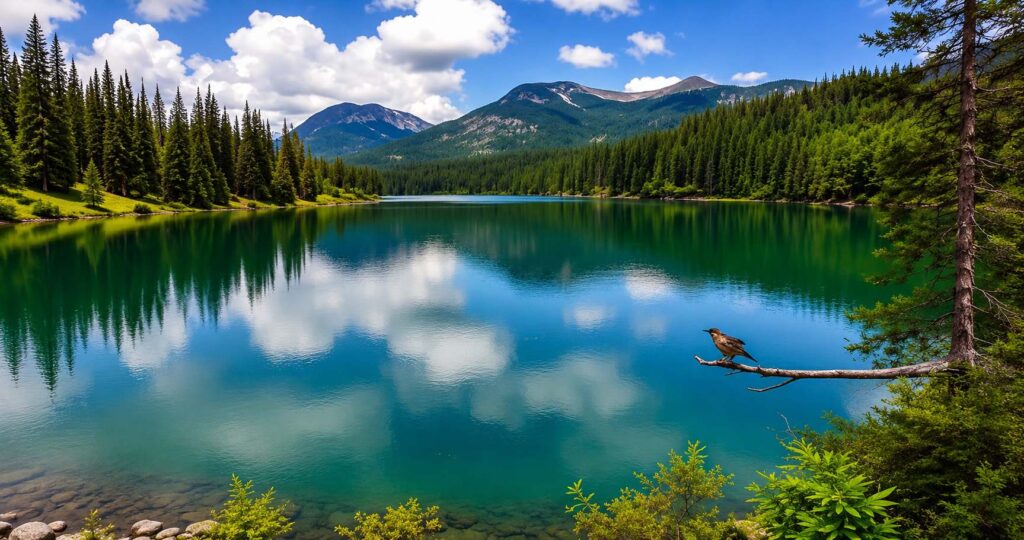
There is ample room for birds to flourish in the nature reserves in the Columbia region. Home to many kinds, Ridgefield National Wildlife Refuge stands out through its diverse environments. Wetlands pull flocks into the Columbia National Wildlife Refuge just as reliably. Each site supports life in ways shaped by water and land working together.
Out here, spaces stay protected on purpose – keeping homes safe for animals that need them. Trails wind through these areas, kept clear so anyone who walks by might pause, look up, spot wings against the sky.
Hidden Birding Gems:
Birds show up where you might least expect – quiet corners near water, tucked-away city lots, or trails off the main road. Hidden spots across the Columbia area give chances most overlook. Away from crowded paths, mornings turn still. A rustle in reeds means something is watching, too. These places teach what field guides miss – the flicker underbrush hides, the call just after rain. Each visit writes its own list.
Seasonal Birdwatching Guide
Spring Migration:
When spring arrives, the Columbia Region comes alive with wings overhead. Birds on the move show up by the hundreds, turning quiet skies into busy pathways. Singing fills the mornings, a sound that wasn’t there just weeks before. In only a few weeks, dozens of kinds can be spotted near water, in forests, even along roadsides. Each day brings something new – feathers flashing where none were seen yesterday.
Summer Nesting Season
Summer brings birds looking for spots to build nests and care for chicks. Watch them closely then, because routines shift when babies arrive.
Fall Migration
It’s bird-moving time again, when the first chill of the air signals birds to prepare for the coming cold months when they arrive in autumn. Sweeps of winged tourists take to the air, shuffling like clusters that reshape the land below.
Winter Birding Opportunities.
Winter doesn’t quiet the birds here. Some stick around no matter the season, whereas newcomers drop in from places buried under snow.
Bird Habitats in the Columbia Region
Forest Ecosystems
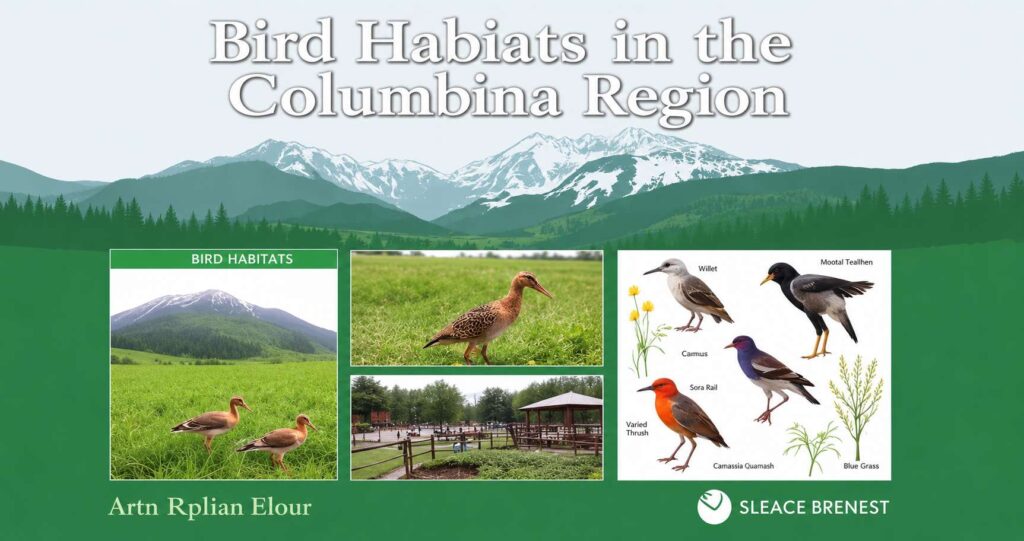
Birds find homes plus meals within forests. Resources fill every level here – canopies down to low-growing greenery.
Wetlands and Rivers
Life prospers where water slows – endless species of birds are found on wetlands and flowing rivers. Les oiseaux se nourrissent à proximité des roseaux et dans l’eau libre proche des roseaux. Et puis ils se sont évanouis dans la haute herbe.
Some arrive with the early rains of the season, others hold out until the frost comes again. They then disappear into the tall grass. Some come with the early rains of the season, some remain until the return of the frost. Waterways stitch together feeding grounds across vast distances. In these soggy edges between land and flow, feathers find safety.
Grasslands and Open Areas
Far-reaching fields draw animals fond of roomy, clear terrain.
Bird Conservation Efforts
Environmental Challenges
Fewer places to live, shifting weather patterns, and dirty environments – all of these push birds into decline.
Conservation programs and organizations
Some groups, such as the Audubon Society, spend years defending bird species while also caring for where they live. Yet effort alone doesn’t always bring results – still, they keep moving forward.
Tips for Birdwatching Beginners
Grab binoculars and add a book about birds. Wait quietly, notice details, treat wildlife kindly.
Responsible Photography and Birdwatching Practices:
Keep your distance when you see wild animals. So they stay safe, so we do too. Watch birds without getting close. That way, kids will later know what it feels like.
Bird lovers visiting the Columbia Region can explore a wide variety of migratory and native bird species while learning more about bird conservation through the Audubon Society.
10 Reasons Why the Columbia Region Is a Bird Paradise
The Columbia Region is a bird paradise.
Here are some high-authority external links you can use in the “Columbia Region Is a Bird Paradise” section:
- Audubon Society – Bird Conservation and Habitats
- BirdLife International
- Cornell Lab of Ornithology
- National Geographic – Birds Section
- World Wildlife Fund – Forest and Wildlife Conservation
- U.S. Fish & Wildlife Service – Migratory Birds
Conclusion
The Columbia Region is a birdwatcher’s paradise. They say birds find the perfect home here, and that’s clear. The diverse landscape supports life in unique ways, making every visit feel new. Migration routes cross here, adding movement and rhythm to the seasons. For some, binoculars are a daily occurrence—for others, it’s the first step into an open space. When birds emerge in the morning light, the moment is remembered longer than expected. This place never disappoints those who pay attention.
FAQs
1. What is the best time to visit the Columbia Region for birdwatching?
Birds move through in spring and autumn, making those times strong picks. Still, every season brings something different to see.
2. Do guided tours for watching birds exist?
Numerous shelters and groups do provide walks tailored to those walking for the first time and for experienced walkers.
3. What birding gear do I need?
Birdwatching needs binoculars, sure. A field guide helps too – especially when names get tricky. Comfortable clothes make long waits easier, somehow.
4. Beginner Birdwatching in the Columbia Region?
Besides convenience, finding spots is straightforward, along with plenty of wildlife types around. Location access pairs well with the diversity of animals you might spot nearby.
5. How can I contribute to bird conservation?
Back groups that protect wildlife stick to fair birdwatching rules to keep wild spaces safe.