Introduction
Below the surface of Mexico’s crystal-clear lakes, something special moves silently—the rare Mexican axolotl. Nearly halophilic and capable of living both on land and in water (hence some calling it a “walking fish,” though it’s not even part of that group), it glides through the water like a long-kept secret. Scientists, collectors, hobbyists, and dreamers have been observing it for generations. Its presence is both eerie and quiet, commanding attention without even trying.

Most animals can’t grow back lost body parts. This one regrows full legs, spine sections, and even brain tissue. Because it does that, researchers pay close attention. Out in nature, though, few remain alive. Its survival now depends on human effort. Scientists study it heavily, not just out of curiosity but necessity. Start with a look at the unusual Mexican axolotl – its body, where it lives, and how to keep it safe.
Because of changes in nature, this creature faces tough odds. Still found in certain water areas near Mexico City, though not often. Its ability to regrow parts fascinates scientists, yet that does not protect it. Taking proper care means clean water, correct food, and steady conditions. Urban growth has damaged much of its home over time. Breeding programs exist, but wild numbers keep shrinking. Future chances depend on protection efforts and public awareness. Once common, now barely holding on in isolated spots.
1. What Is a Mexican Axolotl?
Life stays wet for the axolotl, never leaving its youthful water-bound form. This salamander skips full transformation entirely. Changes halt early, locking it into a permanent juvenile phase underwater. Scientists call this odd pause neoteny – where growing up just doesn’t happen.
Unlike most amphibians, axolotls:
- Do not undergo full metamorphosis
- Retain their gills
- Live entirely in water
2. Taxonomy
- Kingdom: Animalia
- Phylum: Chordata
- Class: Amphibia
- Order: Urodela = Caudata
- Family: Ambystomatidae
- Species: Ambystoma mexicanum
3. Natural Habitat and Distribution
Found only in the old waterways around Mexico City, axolotls call Lake Xochimilco home. Small as they may be, these creatures thrive where freshwater springs flow through still canals. Once extensive, their distribution is now restricted to scattered remnants of the wetland. Their survival has been challenged by human modifications to the landscape. Because cities grew, natural habitats faded into memory. Still, some remain hidden among reeds and roots below the surface.
Habitat Features
- Freshwater canals
- Slow-moving water
- Dense aquatic vegetation
Fewer places now exist where they can live, because cities have spread so much.
4. Unique Physical Characteristics
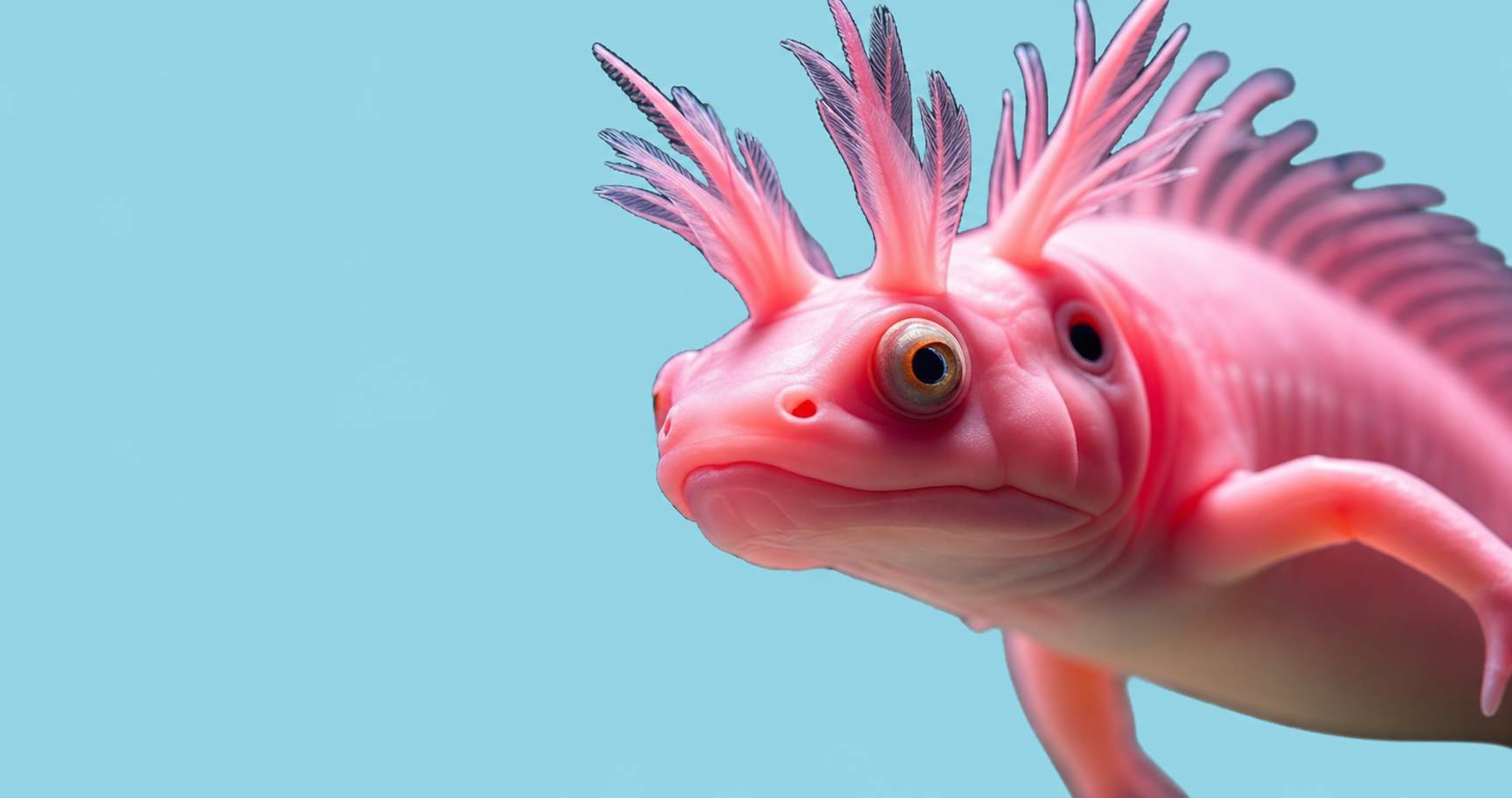
Axolotls have a distinct and almost “cartoon-like” appearance:
Key Features
- External feathery gills
- Wide, flat head
- Permanent “smiling” expression
- Soft, delicate skin
Color Variations
- Wild type (dark brown/black)
- Pink skin shows clearly, though the eyes stay dark. Not an albino kind – this one holds color differently. Black pupils contrast against soft tones elsewhere
- Albino
- Golden
5. The Science Behind Healing and Renewal
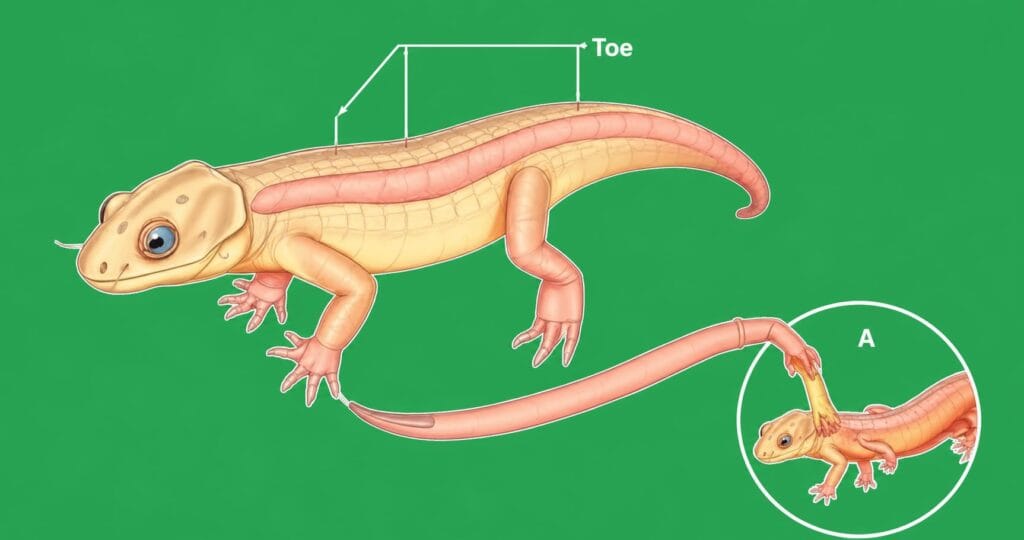
Axolotls pull off something wild – they grow back body parts like it’s nothing. Their bodies rebuild what’s lost, piece by piece, without skipping a beat
What Can They Regrow?
- Limbs
- Tail
- Heart tissue
- Spinal cord
- Parts of the brain
Why This Matters
Scientists conduct research on axolotls to:
- Understand human healing
- Develop regenerative medicine
- Explore anti-aging research
6. Behavior and Lifestyle
Axolotls are:
- Nocturnal
- Solitary
- Calm and slow-moving
They rely heavily on:
- Smell
- Water vibrations
7. Feeding Habits
These creatures eat meat.
Natural Diet
- Worms
- Insects
- Small fish
In Captivity
- Bloodworms
- Pellets
- Brine shrimp
8. Reproductive system and life cycle
Contrary to other amphibians, the axolotls retain their larval form throughout life, but are capable of reproduction.
Reproduction Process
- Males deposit spermatophores
- Females lay eggs
- Eggs hatch in about 2 weeks
9. Rarity of Axolotls in the Wild
The wild Axolotl has led a life as a critically endangered species.
Main Threats
- Habitat destruction
- Pollution
- Invasive species
- Urban expansion
10. Status and Rescue Measures
Being confined to a single location on the planet, the axolotl is in danger of disappearing forever. Scientists monitoring the health of free-roaming animals have described it as the most endangered animal on Earth.
Rescue Efforts
- Restoring habitat in Lake Xochimilco
- Breeding Program
- Publicity campaigns aim to raise awareness and educate people about the environment.
11. Axolotls in Science and Medicine
Axolotls play a key role in research:
Scientific Importance
- Regenerative biology
- Genetic research
- Medical advancements
12. Axolotls als Haustiere
Popular in the exotic pet trade, axolotls require very specific living conditions.
Tank Requirements
- Cool water (16–18°C)
- Low light
- Feines Substrat
Pit Tipps
- Vermeiden Sie starke Strömungen
- Wasserqualität erhalten
- Regelmäßig füttern
13. Common Health Issues
- Fungal infections
- Ammonia poisoning
- Stress-related illnesses
14. Fallacies and Confusions of Terms
Myth One: Axolotls aren’t fish.
They are amphibians.”
Myth Two: People Can Live Anywhere
Without the right setup, they won’t work at all.
15. Importance in culture
The axolotl has roots in Aztec mythos.
Mythological Connection
Linked to the god Xolotl, associated with transformation and survival.
16. Comparison with Other Amphibians
| Feature | Axolotl | Frogs | Salamanders |
| Metamorphosis | No | Yes | Yes |
| Habitat | Aquatic | Mixed | Mixed |
| Regeneration | High | Low | Moderate |
17. Future of the Axolotl
The future of the Axolotl depends on:
- Conservation efforts
- Public awareness
- Scientific research
External Resources
Internal Link (Rare Mexican Axolotl)
Conclusion
The Axolotl is more than just a cute amphibian—it’s a symbol of resilience, scientific discovery, and ecological importance.
Protecting this rare species is not just about saving an animal—it’s about preserving biodiversity and unlocking future medical breakthroughs.
FAQs
1. Are axolotls endangered?
Smoke from underwater air holes.
2. Can axolotls regrow their brain?
But they can do it to some extent.
3. Should I have an axolotl as a pet?
Fine, though they need steady attention.
4. Where are axolotls found?
Lake Xochimilco holds most of them.
5. Life span of an axolotl – what’s typical?
10–15 years in captivity.